
Alternatives
The mineral alternative to paper, board and plastic.
Printable like paper, strong like board, waterproof like film.
One material for ten substrates that 2026-2030 regulation puts under pressure. Outside the EUDR, 23% less CO₂e than virgin paper.
- Outside the EUDR
- −23% vs virgin paper
- Cradle to Cradle Bronze
2026-2030
Regulation does the sorting.
The question is no longer whether your packaging will change, but which materials will stay. Stone is one of them: outside the EUDR, measured, certified, a material that carries through the 2026-2030 texts.
Secure your 2026-2030 volumes and margin. We reduce your at-risk references, and you get ahead while others are caught out.
What the 2026-2030 sorting puts under pressure
-
Two bonded materials
Film-laminated paper
Wood fibre and a plastic film bonded together, to be justified against the 2030 recyclability criteria.
-
Virgin fibre to trace
Virgin paper and board
The EUDR requires forest traceability of the fibre from 30 December 2026.
-
Single use
Disposables
The PPWR pushes packaging reduction and reuse.
On the other side
NotPaper, a mineral material for reuse.
A mineral base with no wood fibre, outside the scope of the EUDR. 23% less CO₂e than virgin paper. Real reusable objects: a customer reports cardboard boxes reused up to 11 times.
Material by material
Ten alternatives, one material.
-
Laminated paper
Alternative to laminated paper
Waterproof by the material, no added film.
One mineral material instead of bonded fibre and film, outside the EUDR.
Reusable packaging -
Coated paper or varnish
Alternative to coated paper
Premium look, no wood fibre.
Natural whiteness with no chlorine bleaching, offset, foil, embossing and spot varnish.
Prints -
Encapsulated paper
Alternative to encapsulated paper
Menus, cards and maps that hold up without encapsulation.
Waterproof, tear-resistant, grease-resistant: the sheet stays crisp all season.
Prints -
Kraft paper
Alternative to kraft bags
A bag that stands up to rain and gets kept.
Waterproof, tear-resistant, no trees: a real reusable object in your brand.
The Tote Bag -
Board
Alternative to board
Boxes and cases outside the EUDR, made to be used again.
A customer reports cardboard boxes reused up to 11 times, intact despite humidity.
Reusable packaging -
PE, PP, PET plastic
Alternative to plastic
−56% CO₂e versus PE and PP, −63% versus PET.
The feel of premium paper, the water resistance of plastic.
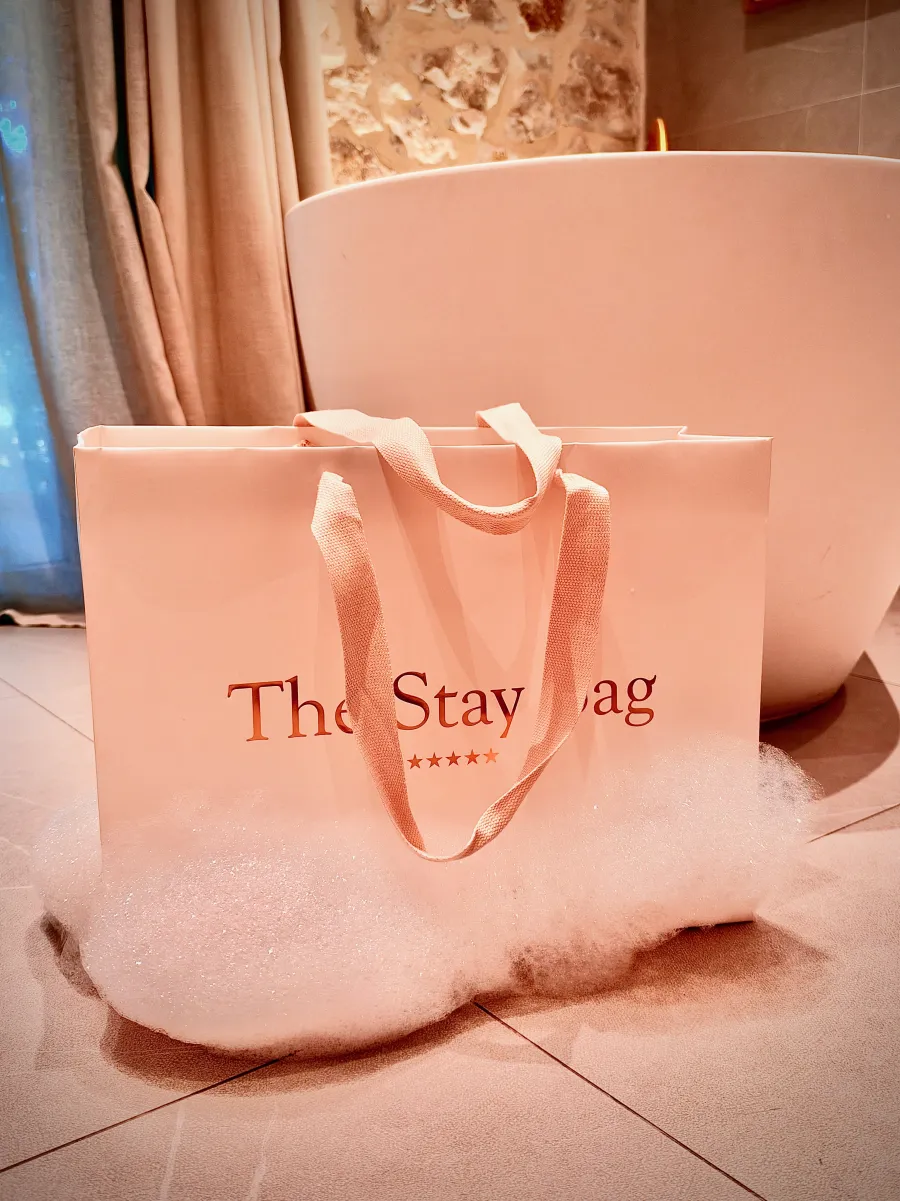
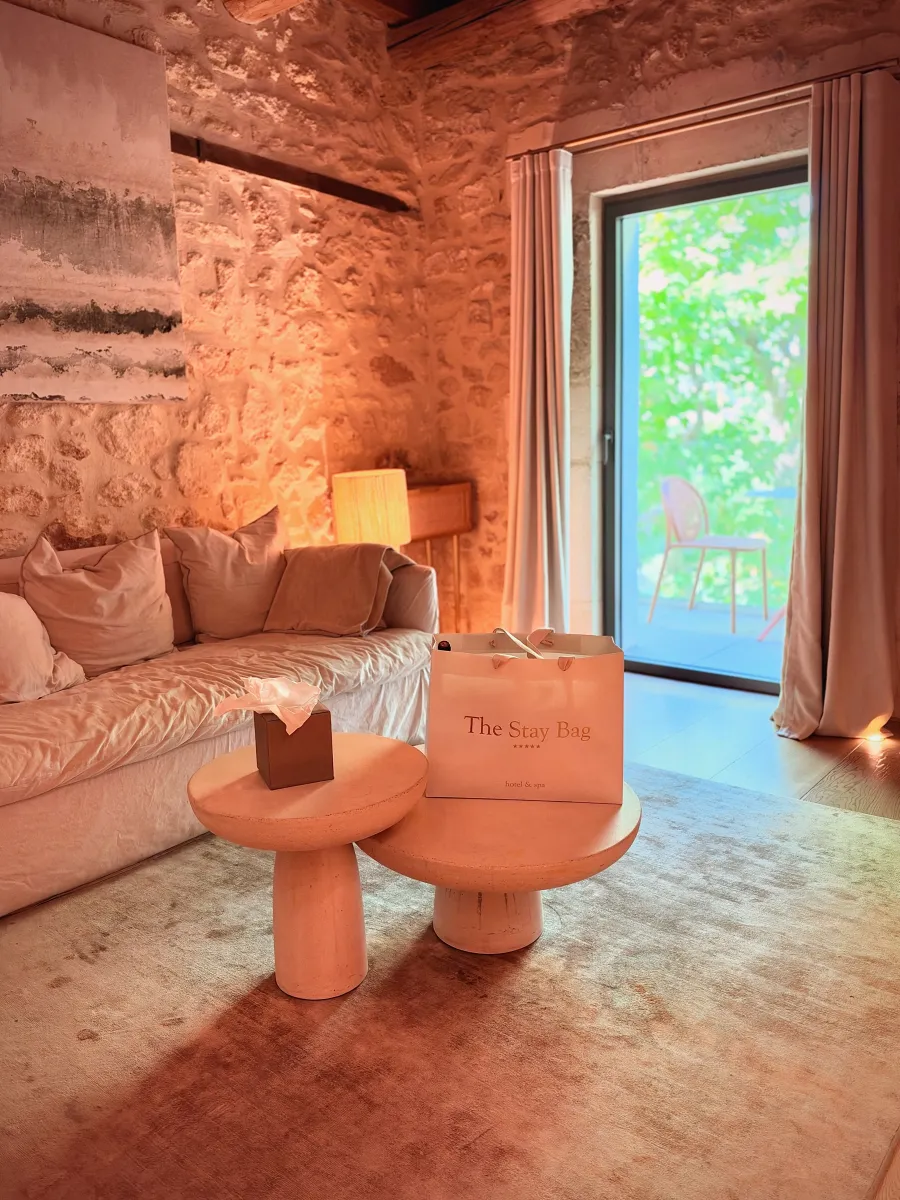
The Stay Bag -
PVC and PS
Alternative to PVC
Up to −67% CO₂e versus PVC and PS.
Waterproof and frost-resistant down to −46 °C, for outdoors and the cold room.
Labels -
Synthetic paper
Alternative to synthetic paper
The same water resistance, on a mineral base.
Synthetic paper often starts from polypropylene: NotPaper emits 56% less CO₂e than PP.
Labels -
Recycled paper
Alternative to recycled paper
More durability: waterproof and tear-resistant.
A durable material gets reprinted less. Made without process water.
Prints -
Fabric and cotton
Alternative to cotton tote bags
A waterproof tote, kept for everyday use.
No trees, no water, no chlorine bleaching, printed and foil-stamped in your brand.
The Tote Bag
12 August 2026
Four questions filter your material purchases.
Our answers, each backed by a document.
-
PPWR
How does the material respond to the PPWR?
Durability and reuse.
Made to be used again, with 23% less CO₂e than virgin paper. The end-of-life route is validated object by object.
-
REACH
Is it REACH compliant?
Yes, REACH and RoHS compliant.
Per the manufacturer's declarations, filed in the proof file.
-
Reduction and reuse
Does it follow the logic of reduction and reuse?
Yes: it is made to be used again.
A customer reports cardboard boxes reused up to 11 times.
-
EUDR
Is it subject to forest due diligence?
It sits outside it.
Mineral base, no wood fibre: outside the scope of the EUDR, applicable from 30 December 2026.
Measured carbon
Less CO₂e than every material compared.
Per kg of material, from raw material to factory gate. ITRI measurement (PAS 2050, ISO 14067), all ranges. Virgin paper: CEPI average taken from Kiwa certificate K90692/01. Plastics: Columbia CCSI, 2022.
Your sectors
NotPaper across your four main sectors.
-
Hospitality and spa
Bedroom, spa and beach bags
It follows the stay and leaves with the guest.
The Stay Bag -
Wines and spirits
Labels and cases
Ice bucket, condensation, cellar: the label stays perfect.
Labels -
Luxury, fashion and beauty
Bags, boxes and cases
Rain, steam, creams: the look holds.
Reusable packaging -
Local authorities and tourism
Cards, menus, maps and goodies
They pass from hand to hand and stay crisp all season.
Prints
The water test
Water beads up, with no film.
Place your current material next to a NotPaper prototype, and compare.
Request a prototypeFrequently asked questions
The questions we are asked.
Is NotPaper a paper or a plastic?
A category of its own: a stone-based mineral material, printable like paper, waterproof like film. It takes the place of film-laminated paper, board and plastic.
What is the alternative to laminated paper for premium packaging?
A material that is resistant in itself: waterproof, tear-resistant, grease-resistant, no added film. It keeps offset, foil, embossing and spot varnish.
What is NotPaper's carbon footprint?
1.1 kg CO₂e per kg, measured by ITRI (PAS 2050, ISO 14067). 23% less than virgin paper, up to 67% less than plastics, at equal weight.
Where do I stand on the PPWR and the EUDR?
The PPWR has applied since 12 August 2026: NotPaper answers with durability and reuse. The EUDR, from 30 December 2026, leaves the material outside its scope. In 30 minutes, we identify the packaging to rework by 2030.
How do I compare on my item?
Send us your current material: we prepare the same item in NotPaper, in your brand, and your teams test it in real use.
Where to start
Step one, depending on your role.
-
Procurement
An audit of your references
30 minutes to identify your at-risk references, the volumes involved and the right timeline.
Book the audit -
CSR
The proof file
Cradle to Cradle certificate, ITRI carbon measurement, RoHS and REACH declarations: material to feed your reporting.
See the proof -
Marketing
A prototype in your brand
Your item in NotPaper, with your colours, your inks and your finishes.
Request a prototype -
Packaging and quality
Usage tests
Water, grease, cold, handling: we test on your item, with your inks and adhesives, under your conditions.
See the method
 Evidence & compliance Every figure has its proof. See the proof →
Next step
Let's compare on your object.
Send us your current material: we prepare it in NotPaper, in your brand.