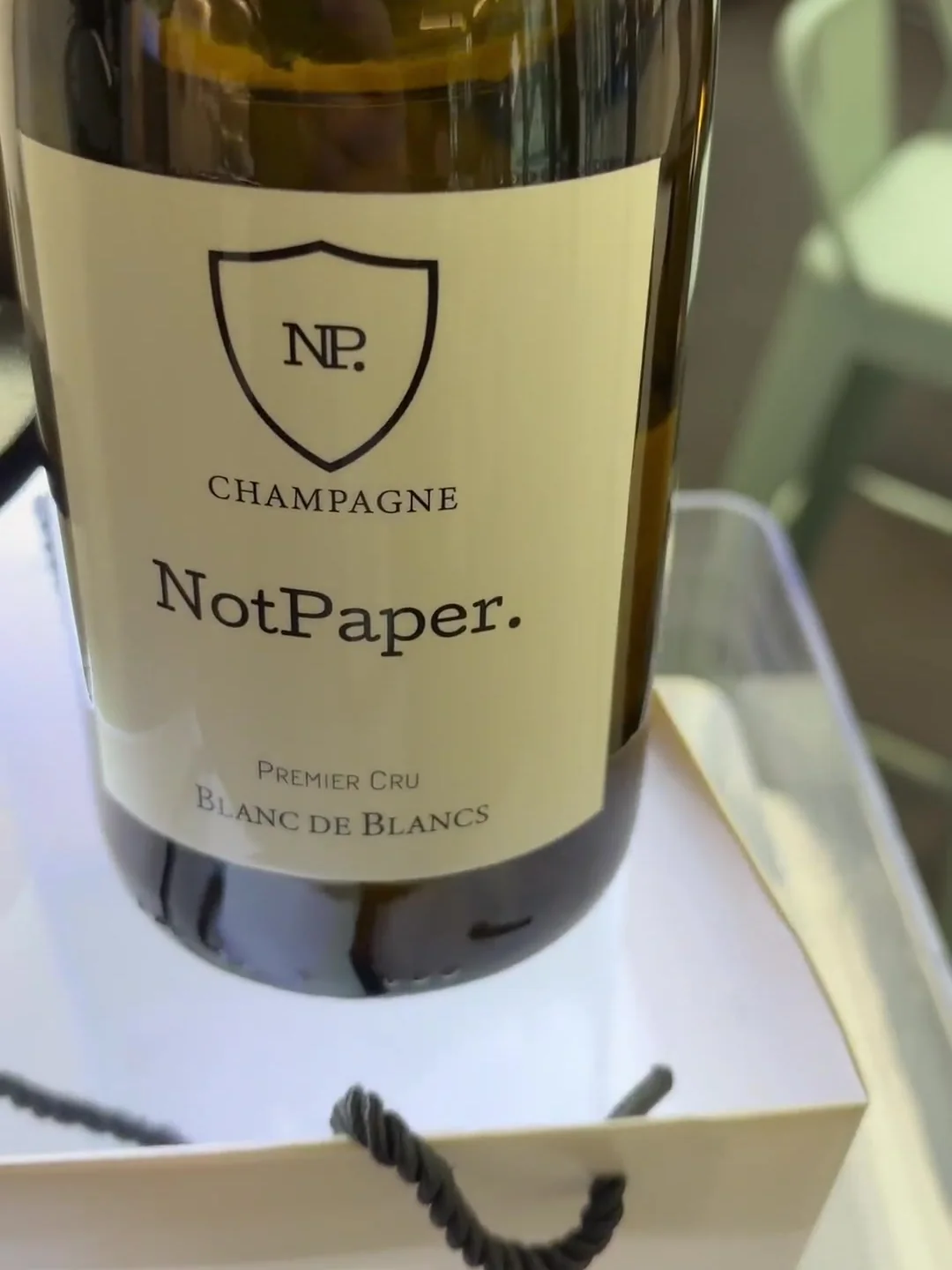
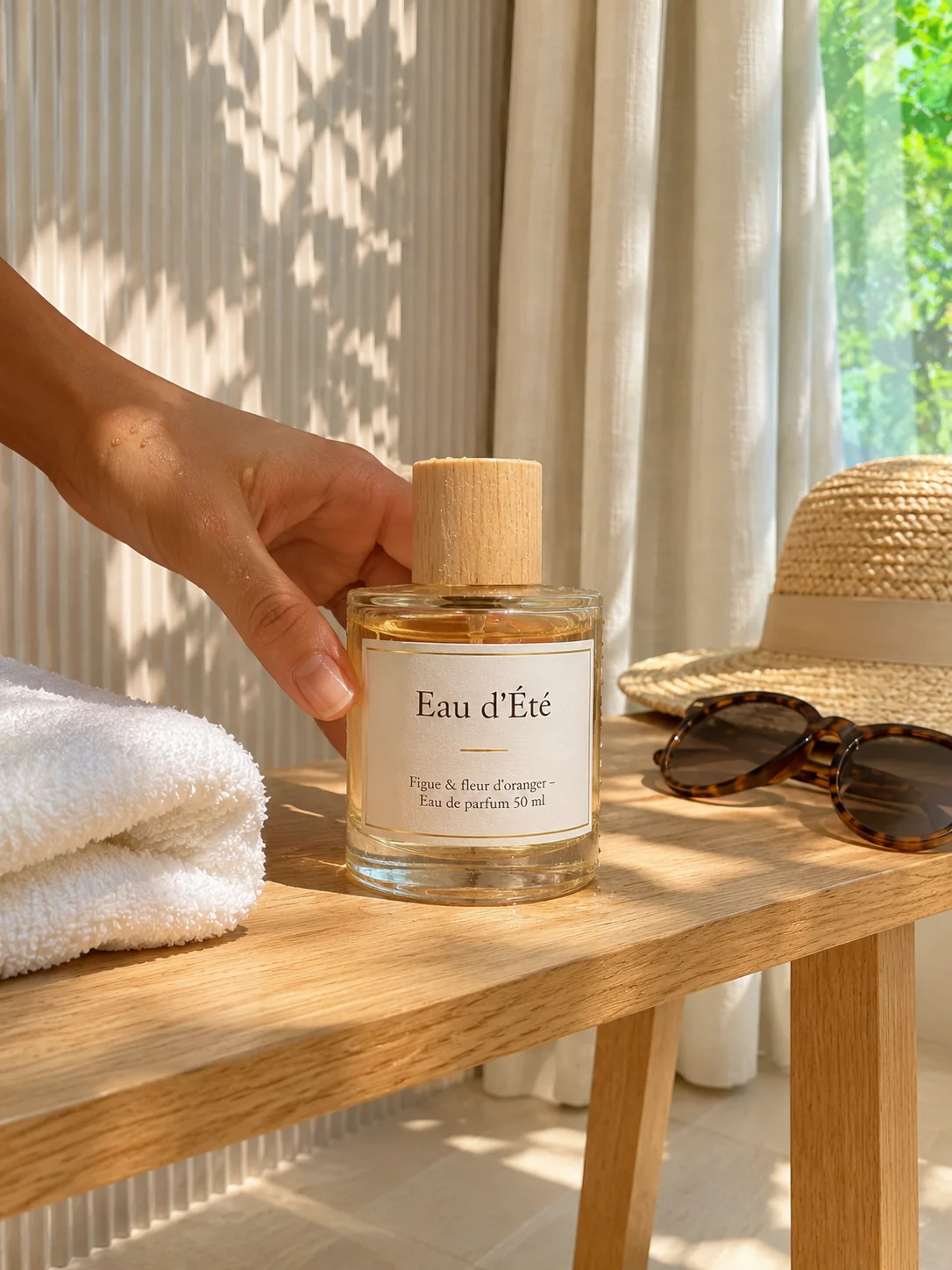
Labels
A label intact against water, grease and hands.
Your brand stays crisp, from the ice bucket to the bathroom.
NotPaper starts from stone: at equal weight, 23% less CO₂e than virgin paper, 56% less than a PE or PP label, 63% less than a PET label.
- Ice bucket
- Outside the EUDR
- Foil and relief
At a glance
What your label gains.
-
Ice bucket
Water beads up, the label stays crisp right through service.
-
Frost-resistant
Cellar, cold room, down to −46 °C.
-
Grease-resistant
Creams, oils, fingers: the bottle stays clean.
-
Stands up to rubbing
Transport, shelving, the customer's hand.
-
Tree-free
A mineral label, outside the scope of the EUDR.
-
−23% vs virgin paper
1.1 kg CO₂e per kg, measured by ITRI.
-
−56 to −63% vs plastics
Against PE, PP and PET labels, weight for weight.
-
Foil stamping, relief, die-cutting
The whole language of a luxury label.
Three uses
Where the label makes the difference.
Ice, water, grease, fingers: the bottle lives in the real world, and the label stays at the level of the product.
-
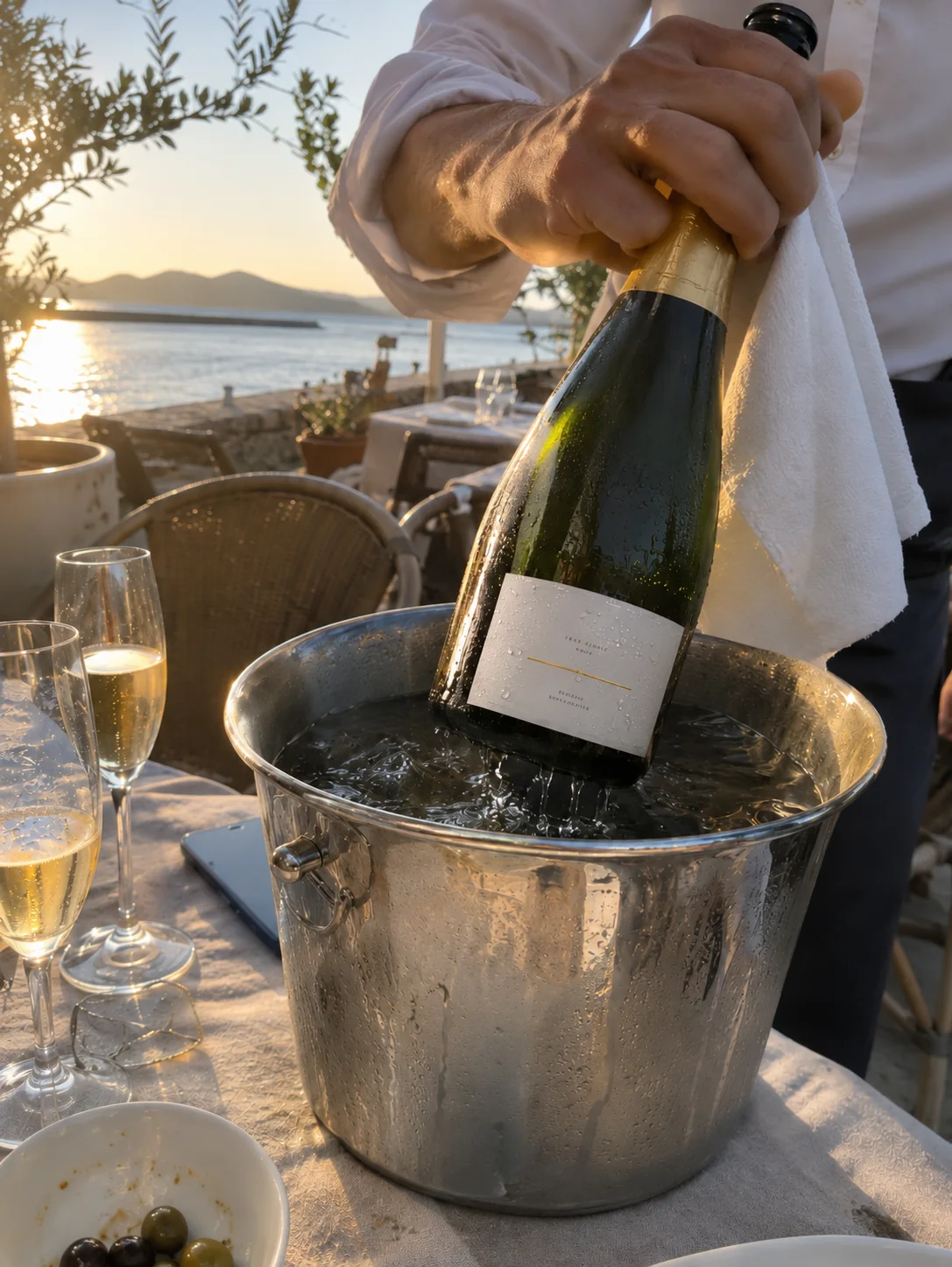
Champagne and wines
In the ice bucket
The bottle goes through service in cold water. The label stays legible and premium down to the last glass.
-
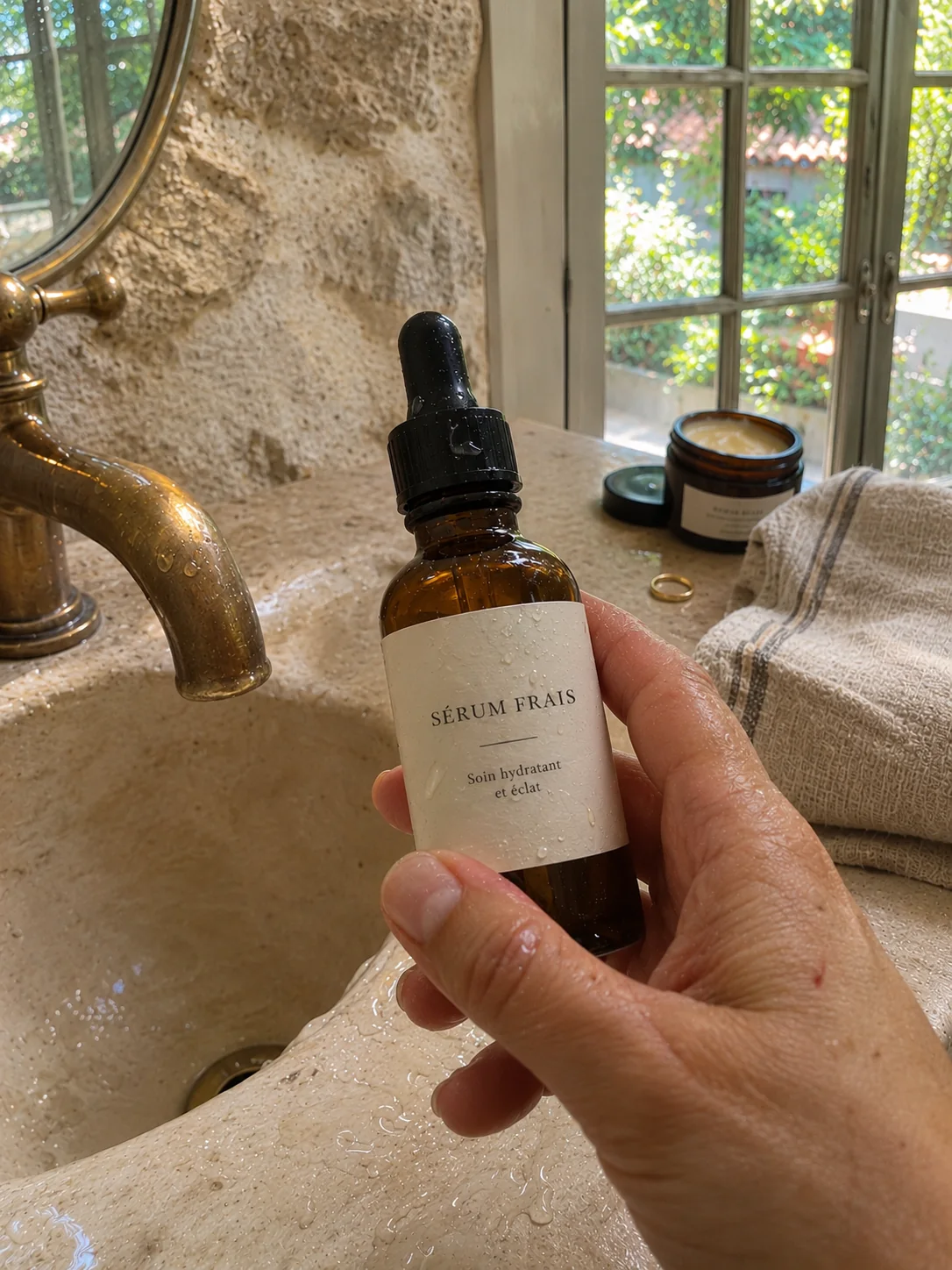
Skincare and cosmetics
In the bathroom
Cream, water, soap, fingers: the bottle stays clean, desirable and true to the care product.
-
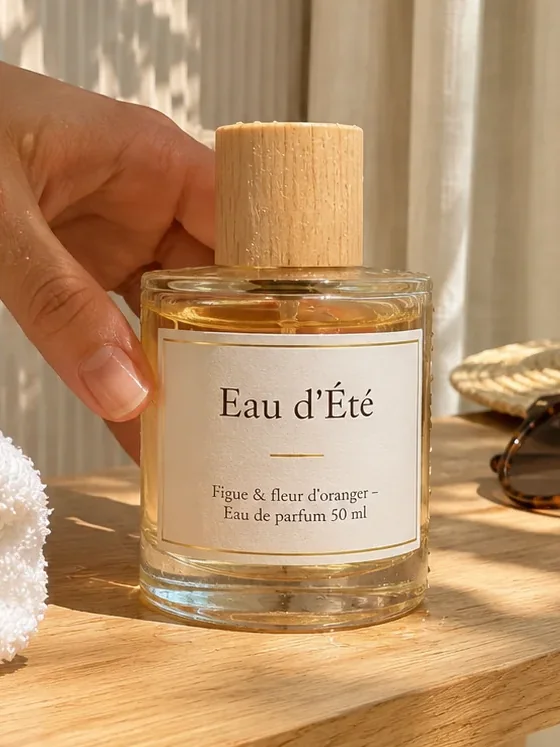
Fragrance
In the customer's hand
Picked up, put down, given as a gift: the feel, the print and the contours stay at the level of the bottle.
Against paper
You keep your brand codes, you step out of the paper supply chain.
Paper is seen as the green choice. Yet it takes trees, lots of water and bleaching, and falls under the EUDR. Your NotPaper label: no trees, no water, no chlorine bleaching.
23% less CO₂e than virgin paper.
See the proofBy sector
You are a house, a brand or a printer.
We start from your references, your volumes and your margin.
-
Wine and spirits houses
Your references go through the ice
Champagne, white, rosé, spirits: a label that stands up to service and the cellar, with your brand codes.
-
Beauty and fragrance brands
An immaculate bottle to the very end
Bathroom, steam, creams: the label keeps the look of the product, from first use to last.
-
Label printers
One more material for your customers
A mineral label to print with your processes: an EUDR and carbon answer to offer your customers.
PPWR, EUDR, water
What changes for your labels.
-
EUDR
30 December 2026
Paper comes under forest traceability for large and medium-sized companies. The mineral label sits outside its scope.
-
PPWR
12 August 2026
The packaging regulation applies. A NotPaper label weighs 0.15 to 1.2% of the bottle's weight, in support of your approach.
-
Water
No process water
The paper supply chain weighs heavily on fresh water. NotPaper is made with no process water: water is used only for cooling.
Secure your 2026-2030 volumes and margin. We reduce your at-risk references, and you get ahead while others are caught out.
Frequently asked questions
The questions before changing label.
Does a NotPaper label hold up in an ice bucket?
Yes, it's its home turf: water beads up and the label stays crisp in ice. The material and the adhesive are validated together, on your bottle, before the run.
What is mineral paper, or stone paper?
A material based on calcium carbonate, the stone of limestone, bound by a cohesion agent. It is also called papier de pierre or stone paper. NotPaper is part of this family: a mineral base, resistant to water and grease in itself.
What is the carbon footprint of a NotPaper label?
1.1 kg CO₂e per kg, measured by ITRI from raw material to factory gate. At equal weight: 23% less than virgin paper, 56 to 63% less than PE, PP or PET labels.
Can we keep foil, embossing and die-cutting?
Yes: printing, solid colours, hot foil, embossing, spot varnish and custom die-cutting, depending on the project. Finishes are validated on a prototype of your label.
I am a label printer: how do I work with NotPaper?
With your processes. We run a trial on your machines, then build the offer with you for your wine, spirits and cosmetics customers.
How can we test before ordering?
We make a prototype on your bottle. You test it in your real conditions: iced water, condensation, greasy fingers, rubbing.
Read more: Waterproof labels: treated paper, plastic film or mineral material · Stone paper: what it is and what it changes
Where to start
Step one, depending on your role.
-
Procurement
An audit of your references
30 minutes to identify your at-risk references, the volumes involved and the right timeline.
Book the audit -
CSR
The proof file
Cradle to Cradle certificate, ITRI carbon measurement, RoHS and REACH declarations: material to feed your reporting.
See the proof -
Marketing
A prototype in your brand
Your item in NotPaper, with your colours, your inks and your finishes.
Request a prototype -
Packaging and quality
Usage tests
Water, grease, cold, handling: we test on your item, with your inks and adhesives, under your conditions.
See the method
 The material A mineral material, certified and measured. Discover the material →
Next step
Let's test the label on your bottle.
Send us your bottle or flask: we prepare a prototype in your colours, to test in ice.