Blog Labels
Waterproof labels: treated paper, plastic film or mineral material
Wine, champagne, fragrance, skincare: what happens to a treated paper, plastic film or mineral label in ice, water and grease.
Key points
- A label is judged by four tests: the ice bucket, the bathroom, condensation and greasy hands.
- Treated paper, plastic film, mineral material: each holds up differently. The material and the adhesive are tested together, on the glass.
- Mineral material aims for the finish of premium paper, with a resistance that comes from the material itself, depending on the application, with no added film.
A wine, champagne or cosmetic label does not live in a catalogue. It lives in an ice bucket, on a bathroom basin, in the hand of a customer who has just put on cream. The day it buckles, peels off or stains, it is the brand that takes the hit, not the paper. Here is what happens to each type of label, and where a mineral material avoids adding a film.
The four tests a label faces
Before choosing a material, look at what your bottle really goes through.
- The ice bucket: an hour in cold water, a bottle taken out, put back, taken out again.
- The bathroom: steam, splashes, soap, a bottle left on the edge of a basin.
- Condensation: a cold bottle on a terrace in summer, with drops running down the glass.
- Greasy hands: cream, oil, butter, fingers holding the bottle in the wrong place.
A label that passes these four tests holds up on the shelf, on the table and at the customer’s home.
What happens to each type of label
| Material | Ice bucket and condensation | Bathroom and greasy hands | Finish |
|---|---|---|---|
| Standard paper | May buckle, peel off, lose its crispness | May stain, show fingerprints | Fine paper |
| Treated paper | Holds up better, depending on the treatment | Mostly holds at the surface | Close to paper |
| Plastic film | Does not absorb water | Often resists, but the finish is that of a film | Smooth, plastic |
| Mineral material (NotPaper) | Does not absorb water, depending on the application | Resists grease and handling, depending on the application | Close to premium paper |
Each line has its own logic. Standard paper gives a fine finish, but it can give way as soon as water gets in. Treated paper makes up for this with a coating or a varnish: its resistance depends on the added layer. Plastic film answers the water question well, at the cost of a different feel and a different look on the bottle. Mineral material aims to keep the finish of paper, with a resistance that comes from the material.
The adhesive matters as much as the material
A label holds by two things: its material and its adhesive. A material that resists water, stuck with an adhesive that gives way in the cold, can end up at the bottom of the bucket. Both are tested together, on the glass of your bottle and in your product’s conditions.
That is also why comparing data sheets is not enough. What counts is the complete label: material, inks, adhesive, finishes. Test it on the real container.

Where a mineral material avoids a film
NotPaper is a mineral material, from the stone paper family, made mostly of calcium carbonate, with no wood fibre. It does not absorb water and resists grease and tearing depending on the application and in our use tests, without lamination: the resistance comes from the material. For a label, this means one simple thing: no film to stick on top, to be checked on your bottle.
The finish remains that of a premium paper: printing, solid colours, custom die-cutting. Hot foil, embossing and spot varnish are optional added finishes. On carbon: 23% less CO₂e than virgin paper, 56% less than a PE or PP label and 63% less than a PET label, weight for weight.
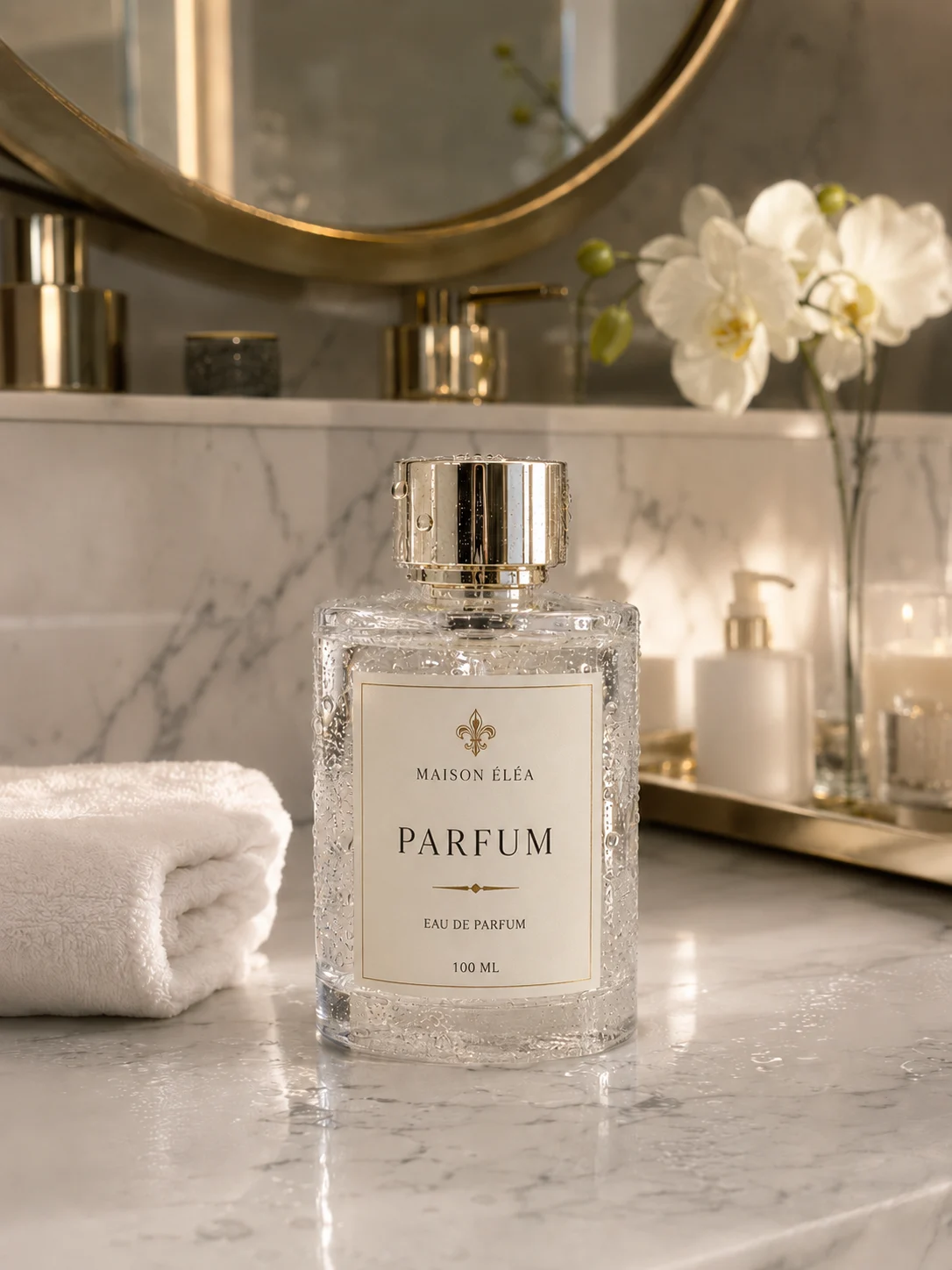

A label that holds up in the ice can do without a film on top.
When another material is still the right one
Plastic film remains relevant when a glossy, smooth finish is wanted, or when the label is designed around that feel. Standard paper is enough for a short-lived label with no contact with water. A mineral material makes sense when the bottle goes through ice, steam, grease or the customer’s hands, and the brand must stay crisp until the last touch.
How to test before choosing
- Dip it. The labelled bottle, in iced water, for an hour.
- Make the bottle sweat. Out of the cold, let condensation run over the label.
- Use greasy fingers. Cream, oil: does it wipe clean without a trace?
- Rub it. A thumb, several times, over the text and the foil.
- Look at the edges. Do they lift or buckle?
Test on your own glass. For a bottle, a fragrance or a skincare product, discover our labels with no wood fibre and ask for a trial on your bottle.
The product in this article Labels with no wood fibre Labels that stay crisp in the ice bucket, the bathroom and the customer's hand. Discover the labels → Frequently asked questions
The questions we get asked.
Which label really withstands water?
The one that stays crisp and stuck after your product's own test: an ice bucket for a bottle, humidity and grease for a skincare bottle. Plastic film does not absorb water, treated paper resists depending on its treatment, and a mineral material such as NotPaper resists water and grease depending on the application, with no added film.
Does a label need a film to withstand water?
Not necessarily. A film is one solution. A mineral material aims for resistance that is native to the material, depending on the application. The right choice depends on the finish you want and on the use.
Which wine label holds up in an ice bucket?
One whose material does not absorb water and whose adhesive holds in the cold. Leave the labelled bottle in iced water for an hour, then take it out and let the condensation run: the edges must neither buckle nor lift.
Does a mineral material print like paper?
It keeps a finish close to premium paper: printing and solid colours, with hot foil, embossing or spot varnish as options (finishes added as you choose).
Blog
Read next
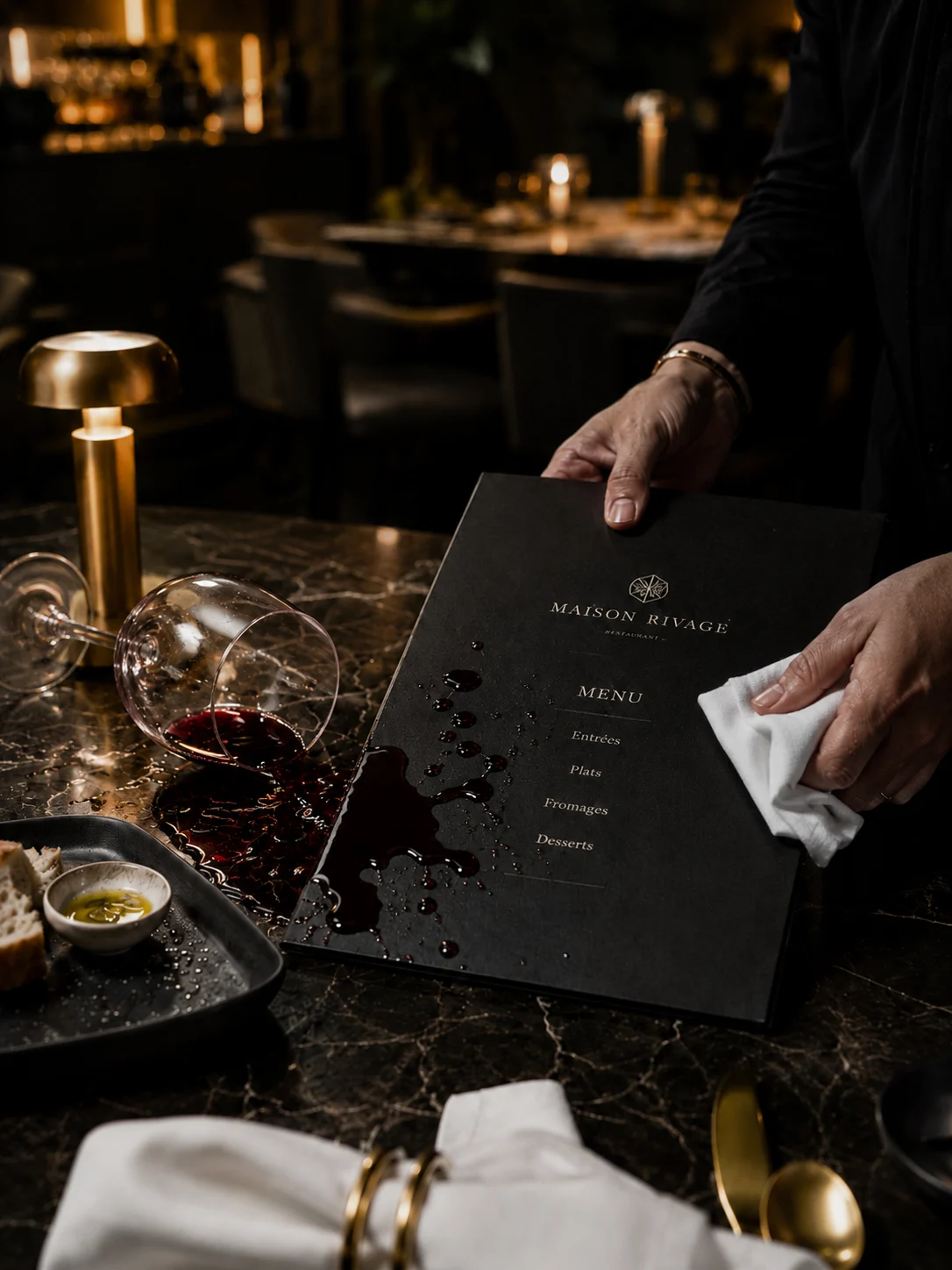
Alternative to laminated paper: what really withstands water
Laminated paper, treated paper, synthetic film, mineral material: what withstands water, wine and hands on a menu, a map, a card or a label. Read the article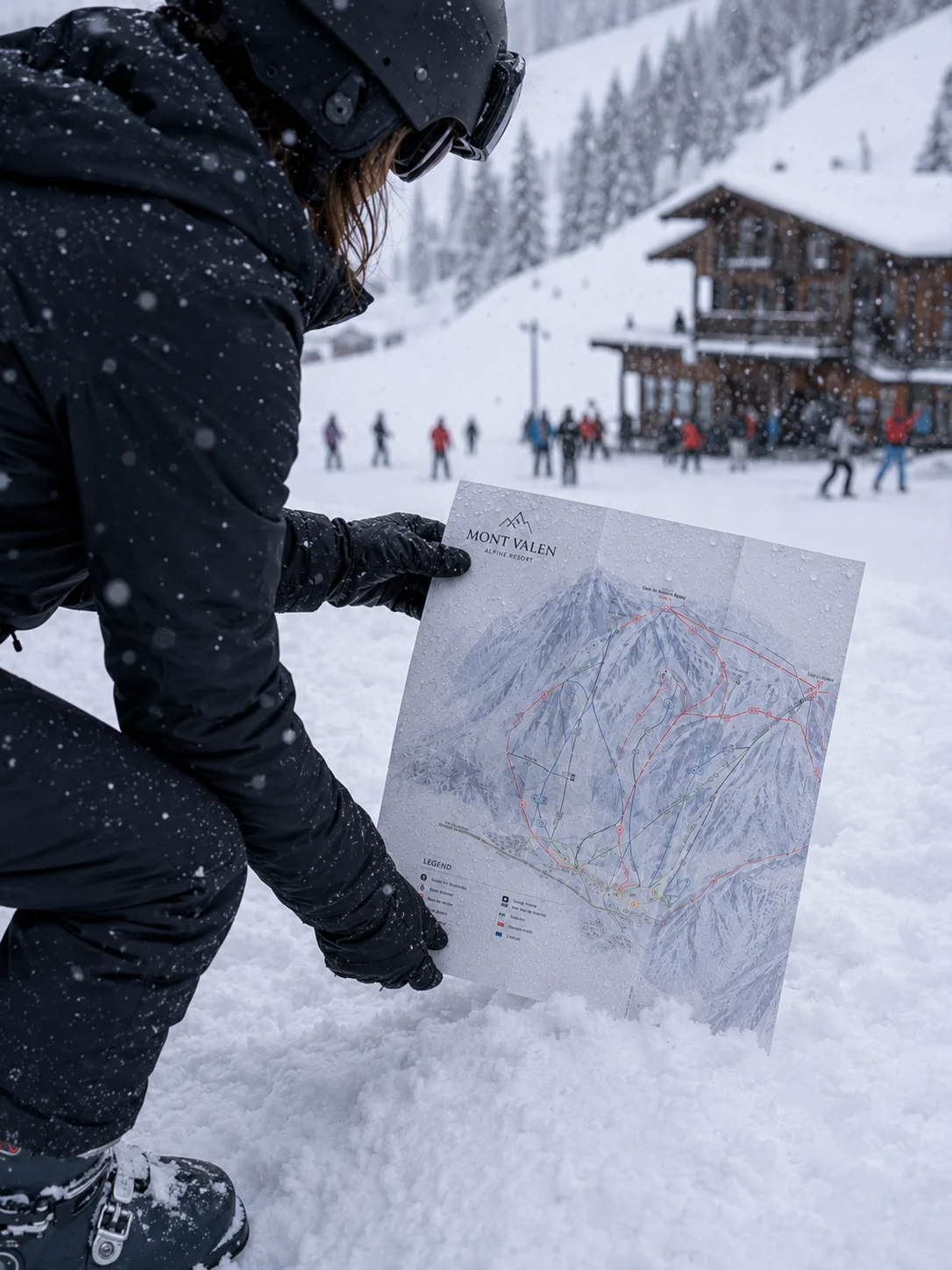
Paper alternative: the print that stands up to water, grease and cold
Ski map, terrace menu, campsite card, bathroom label: what a mineral material brings to your printed items, situation by situation. Read the article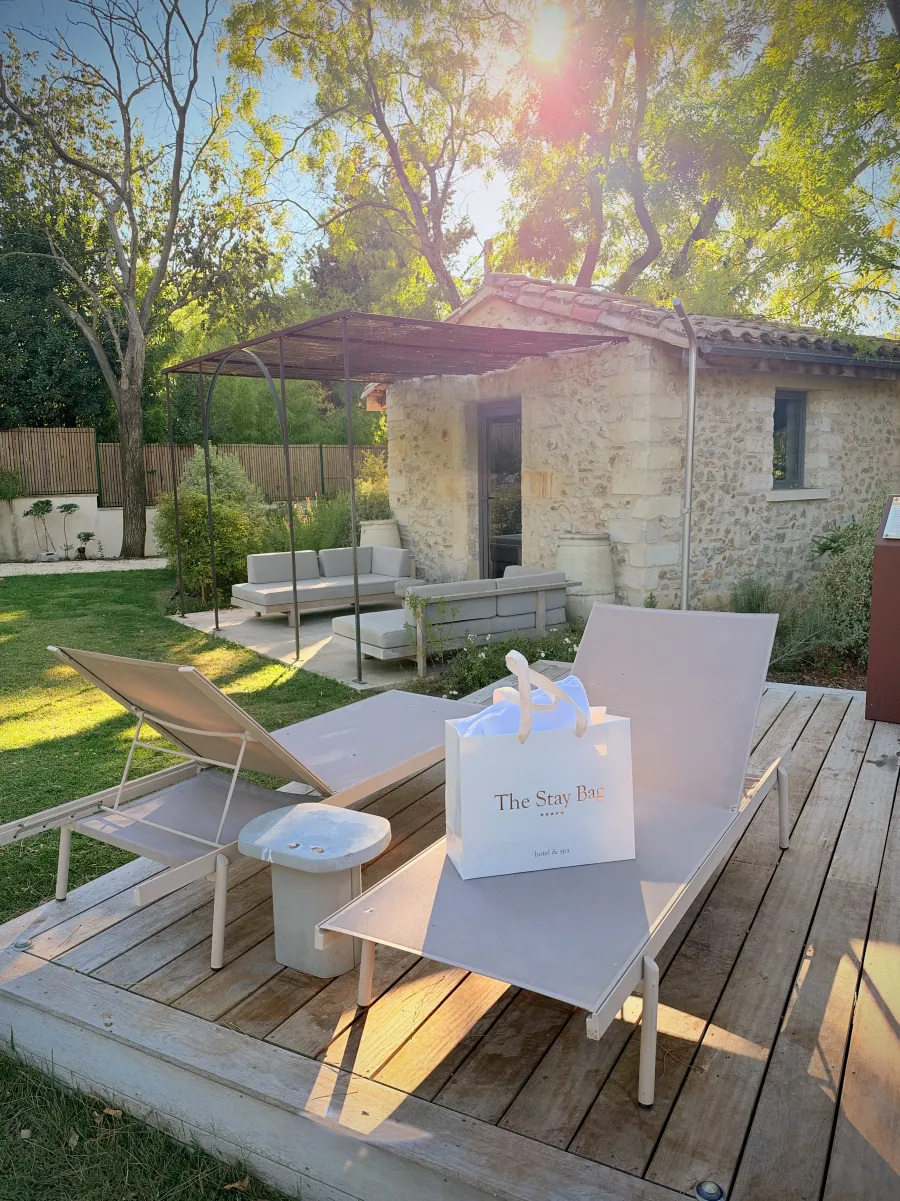
Hotel pool and spa bag: what stands up to water and sun cream
Water, steam, sun cream, a wet bench: the real tests a hotel pool and spa bag goes through, and how to try them before you order. Read the articleNext step
A question about your print support? Let's put it on the table.
A bag, a label, a menu: we look at your item, compare it with the prototype, and you judge for yourself.