Blog Labels
Alternative to laminated paper: what really withstands water
Laminated paper, treated paper, synthetic film, mineral material: what withstands water, wine and hands on a menu, a map, a card or a label.
Key points
- Lamination adds a film to make up for the fragility of paper: it protects the surface, not the fibre, and edges and folds can remain weak points.
- Laminated paper, treated paper, synthetic film, mineral material: each has its own ground. There is no single solution.
- A menu, a map, a card or a label is judged by testing it: water, wine, grease, folds, hands.
Lamination meets a real need: to protect, stiffen and give some hold to a paper that does not have enough. But it adds a layer to a paper without changing the fibre it covers. Here is what really holds up when a menu takes a glass of wine, when a map goes out in the rain or when a label is dipped in an ice bucket.
NotPaper starts from somewhere else: stone powder, not wood pulp. The resistance is in the material, not in an added film, and the printing stays that of paper.
What lamination does, and what it does not do
A laminated paper is a paper covered with a film glued on the surface. That film keeps water and grease away from the paper. It restores some hold and adds gloss, or a matt feel depending on the finish.
But underneath, the fibre is still fibre. If the film lifts at an edge, gets cut or cracks on a fold, water can reach it. The most exposed areas are often the same: corners, folds, cut edges, the back of the object. The film protects the visible face. The rest depends on the fibre and on how the object is made.
Four materials, compared plainly
| Material | What it brings | Its limit | Look |
|---|---|---|---|
| Laminated paper | Hold, surface protection | Edges, folds, cuts in the film | Fine paper, finish of your choice |
| Treated paper | Surface resistance, often discreet | Depending on the treatment: fold, immersion, rubbing | Close to paper |
| Synthetic film | Does not soak up water | No paper grain | Smooth, utilitarian |
| Mineral material (NotPaper) | Resists water, grease and tearing depending on the application, with no added film | Very short use or tight budget: ordinary paper is enough | Close to premium paper |
None of these four is best everywhere. Synthetic film goes very far on water, but it does not look like paper. Treated paper keeps the look of paper, with a resistance that depends on the treatment. Mineral material aims for the middle ground: the look of a quality paper, with a resistance that comes from the material.
Menu, map, card, label: four tests
| Object | What it goes through | What gives way first |
|---|---|---|
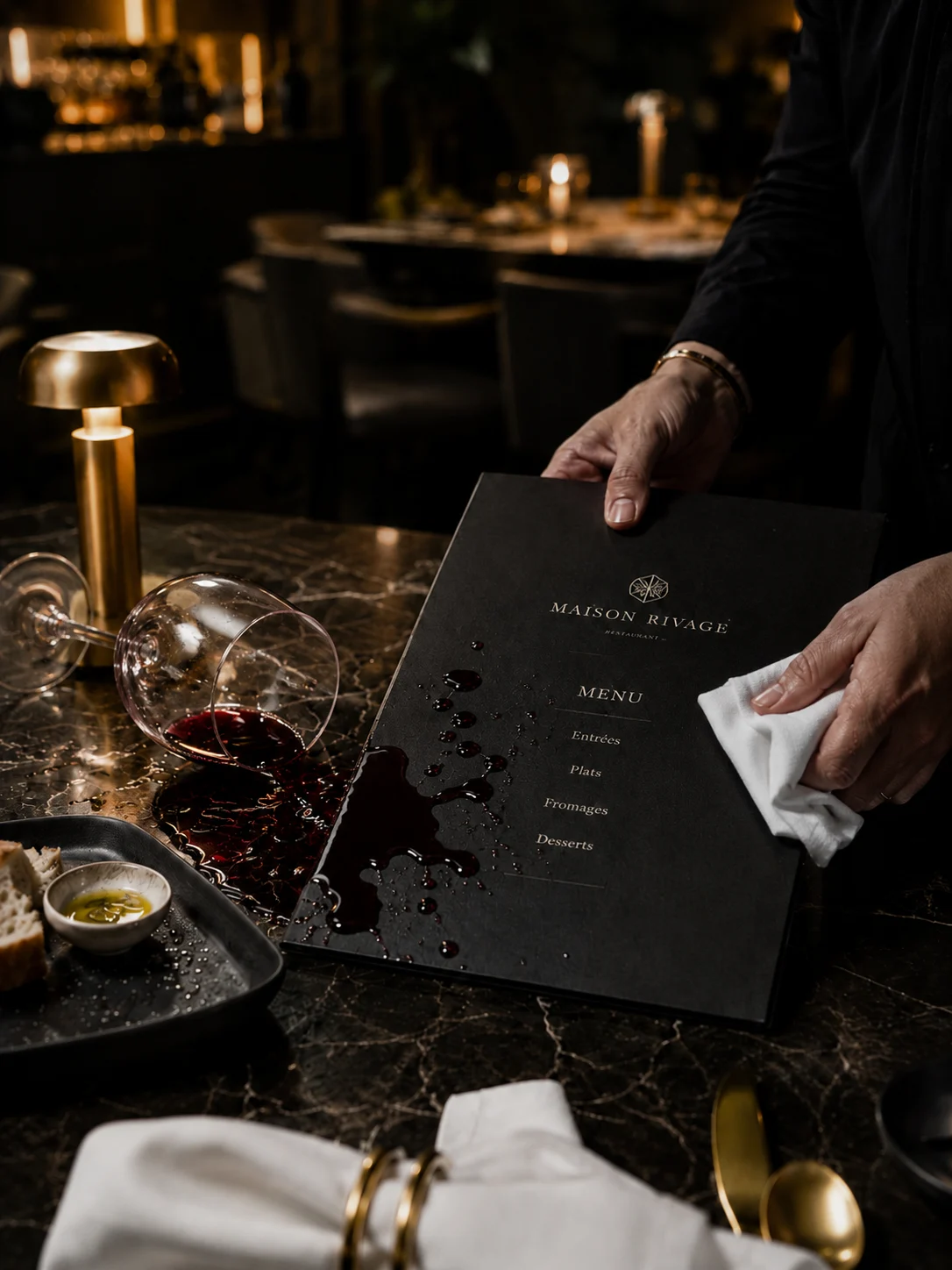
| Menu | Spilled wine, oil, greasy fingers | Corners and a surface that keeps the stain |
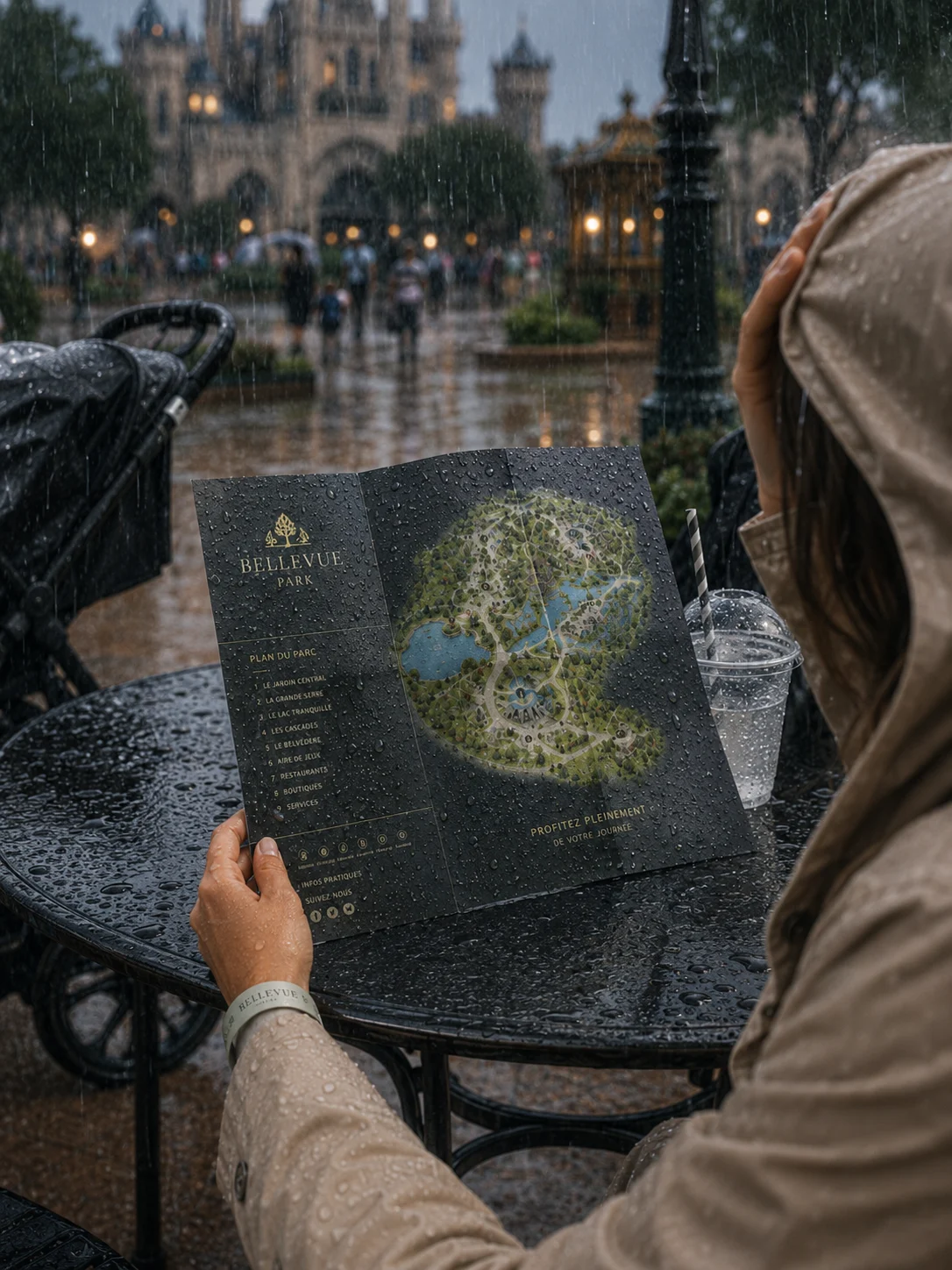
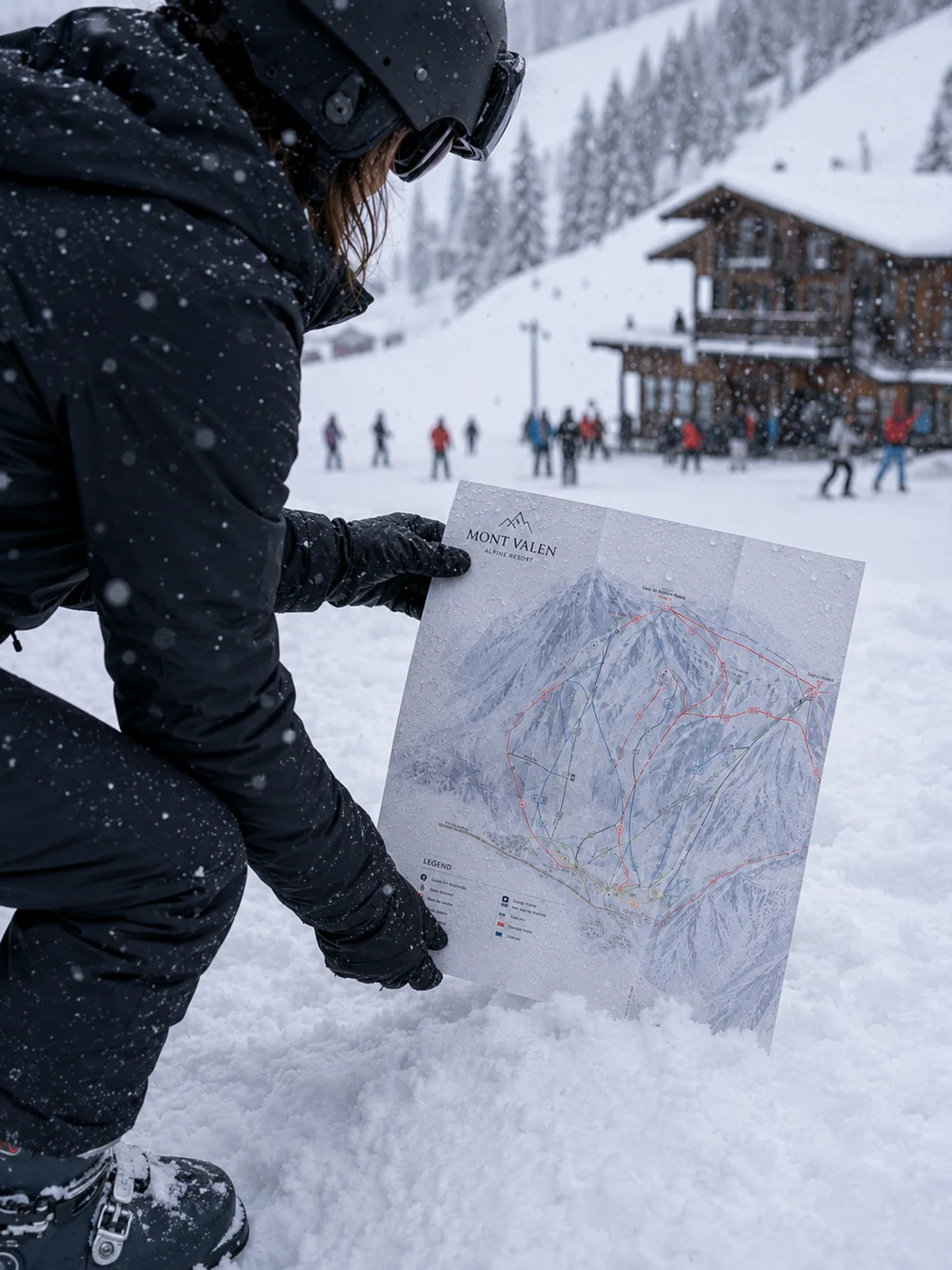
| Map | Rain, snow, repeated folding | Folds that whiten or tear |
| Card (welcome, loyalty) | Pocket, wallet, rubbing | Corners, ink that wears off |
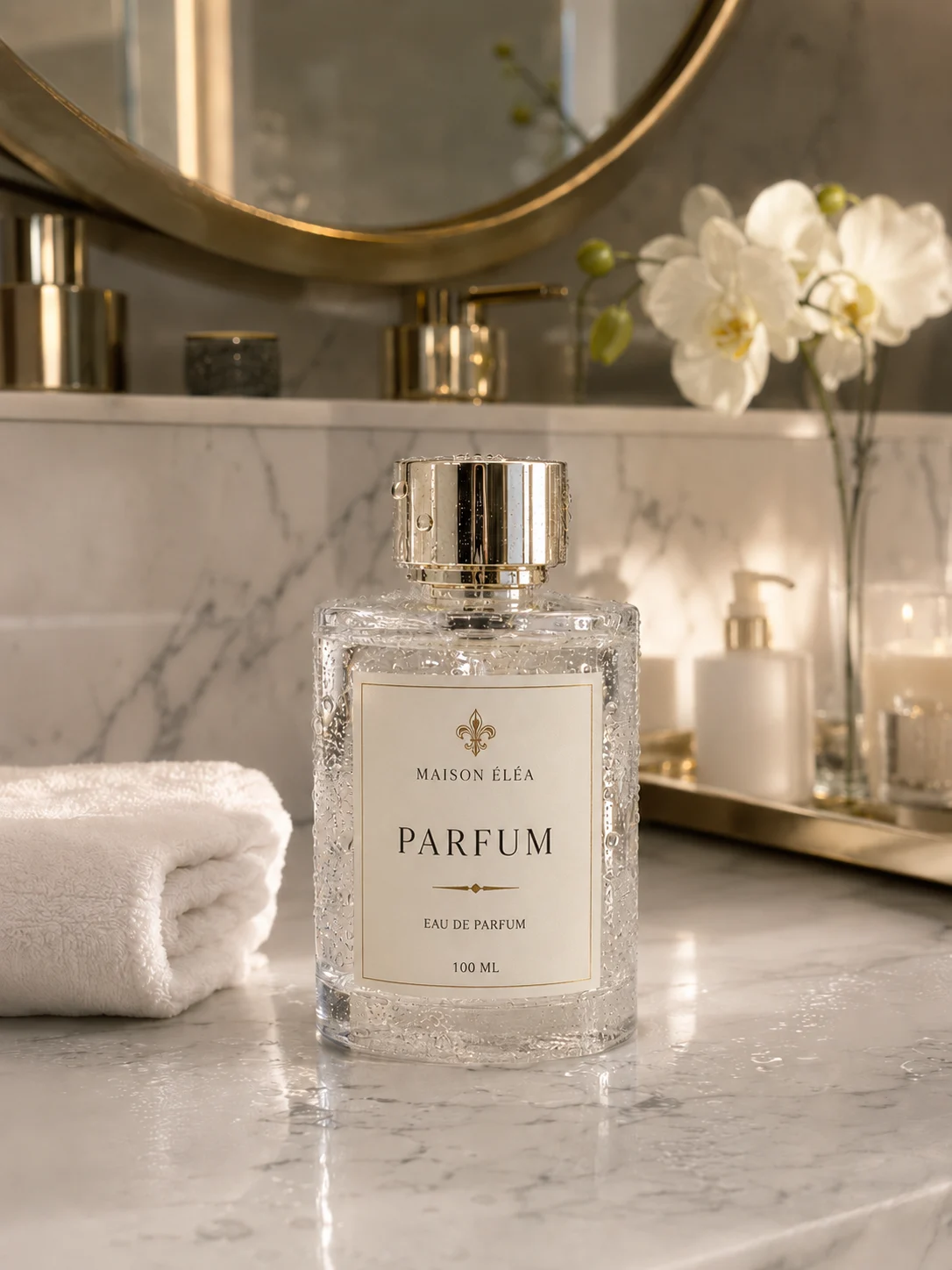
| Label | Ice bucket, condensation, hands | Edges that lift, paper that cockles |
Each of these objects has its own weak spot. A menu is judged by the stain: wine or oil, you wipe it, and the menu must look presentable again. A map is judged by the fold: opened ten times in the snow, it must stay legible. A label is judged by the ice: the bottle comes out of the bucket, the brand must stay sharp.
Why a film does not settle everything
Lamination makes up for a fragility without always removing it. When the object is handled, folded, wetted and then dried, the film can behave differently from the paper it covers. That is where defects can appear: an edge that peels, a fold that whitens, a bubble.
A mineral material changes the base. NotPaper is mostly made of calcium carbonate, with no wood fibre. It does not soak up water depending on the application and in our usage tests, without lamination: the resistance comes from the material.
Three strengths to remember, in this order:
- It resists water, grease and tearing, with no added film.
- It keeps all the printing of paper: colours and patterns, with hot foil, embossing and spot varnish as options.
- It has a 67% lower manufacturing carbon impact compared with traditional paper.
Lamination protects the face. Here, the resistance comes from the material.
When to keep laminated paper
Laminated paper remains a good choice in some cases. A promotional item thrown away the same evening, a table card for a single service, a very high volume where every cent counts. In these situations, the usage resistance has no second life to protect.
An alternative becomes relevant when the object is handled, exposed to moisture or kept: a menu the customer takes away, a map used for a whole week of holiday, a bottle label that ends up on the table. That is where the question changes: you no longer compare paper prices, you compare objects that hold up, or not, in use.
How to decide
Do not choose from a data sheet. Test the finished object.
- Wet it: an hour in contact with water, then dry it.
- Stain it: wine, oil, cream. Does it wipe clean without a trace?
- Fold it: ten times, in the same place. Does the fold whiten?
- Pass it through hands: rubbing, pocket, bag.
- Look at the edges: do they lift, do they cockle?
If your object is a menu, a map, a card or a label, the most useful comparison is the one you make on your own material. That is what we offer with the alternative to laminated paper: a prototype to wet, fold and stain, before any commitment.
Wet it. Fold it. Stain it. Then compare with your current paper. See the material in hand.
The product in this article Alternative to laminated paper The resistance comes from the material, not from a film laminated on top. Discover the alternative → Frequently asked questions
The questions we get asked.
What is the alternative to laminated paper?
Depending on the use: a treated paper for surface resistance, a synthetic film for full waterproofing, or a mineral material such as NotPaper, which resists water, grease and tearing depending on the application, with no added film. The right choice is made by testing the finished object.
Should lamination always be replaced?
No. For something thrown away the same evening, ordinary or laminated paper often remains the right choice. An alternative becomes worthwhile when the object is handled, wetted or kept by the customer.
Can mineral material be worked like paper?
It keeps a look close to premium paper: printing, solid colours and patterns, with hot foil, embossing or spot varnish as options (finishes added as you choose). The format is made to measure.
Blog
Read next
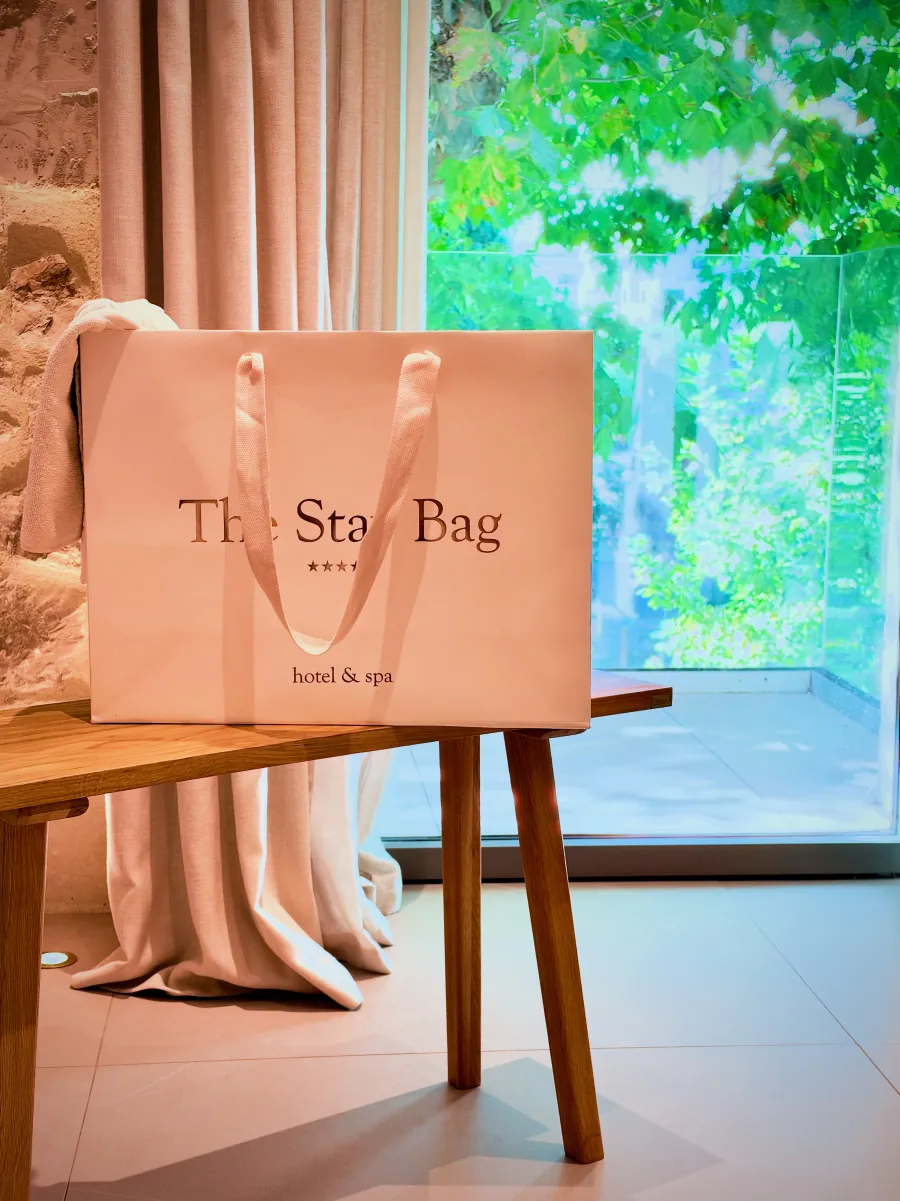
Hotel bag: which bag to give guests, from arrival to the spa
Welcome bag, spa bag, pool bag, boutique bag: what each hotel bag must withstand, and why one well-chosen bag can replace a whole stack of them. Read the article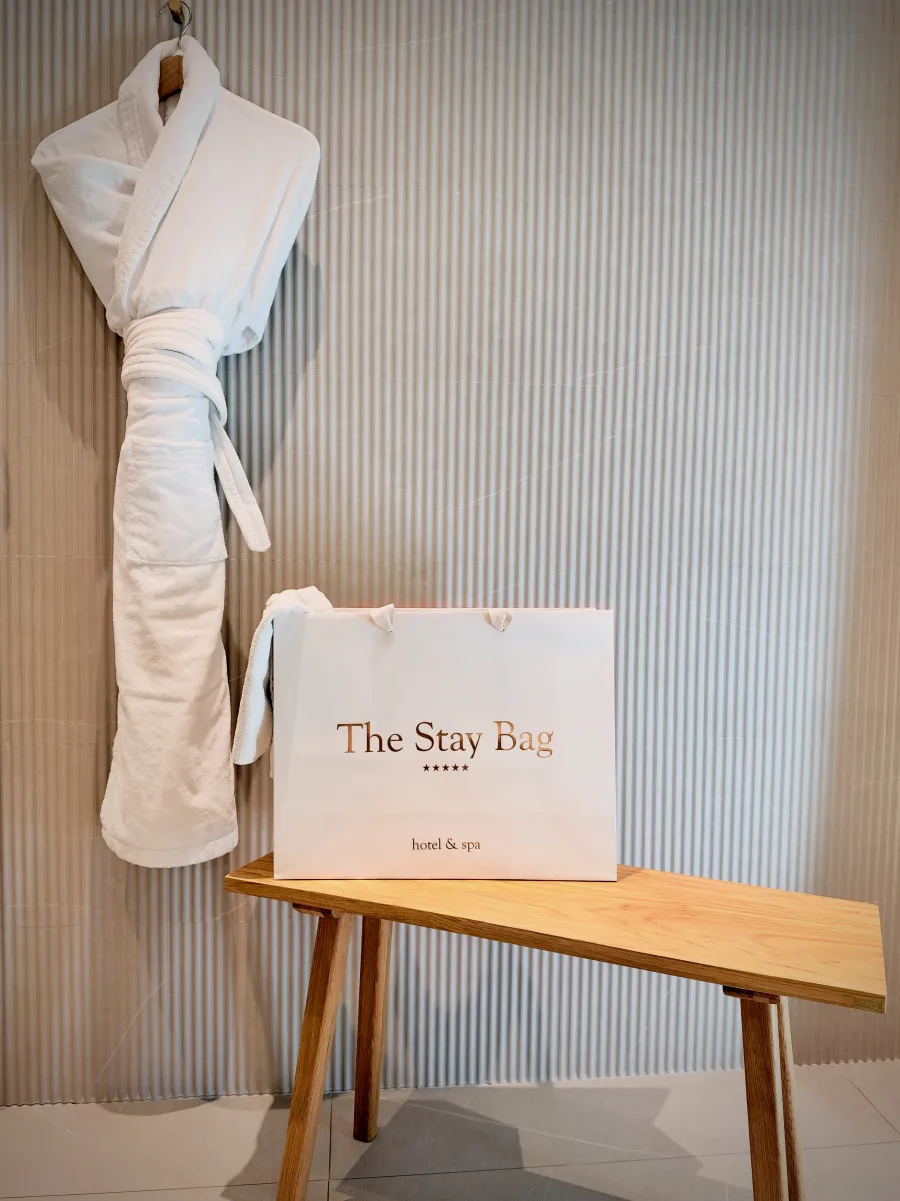
Hotel welcome bag: what goes inside, and the bag that stays
Water, a local guide, a local product, a personal touch: how to fill a hotel welcome bag that gets used, and the bag designed to be kept rather than thrown away. Read the article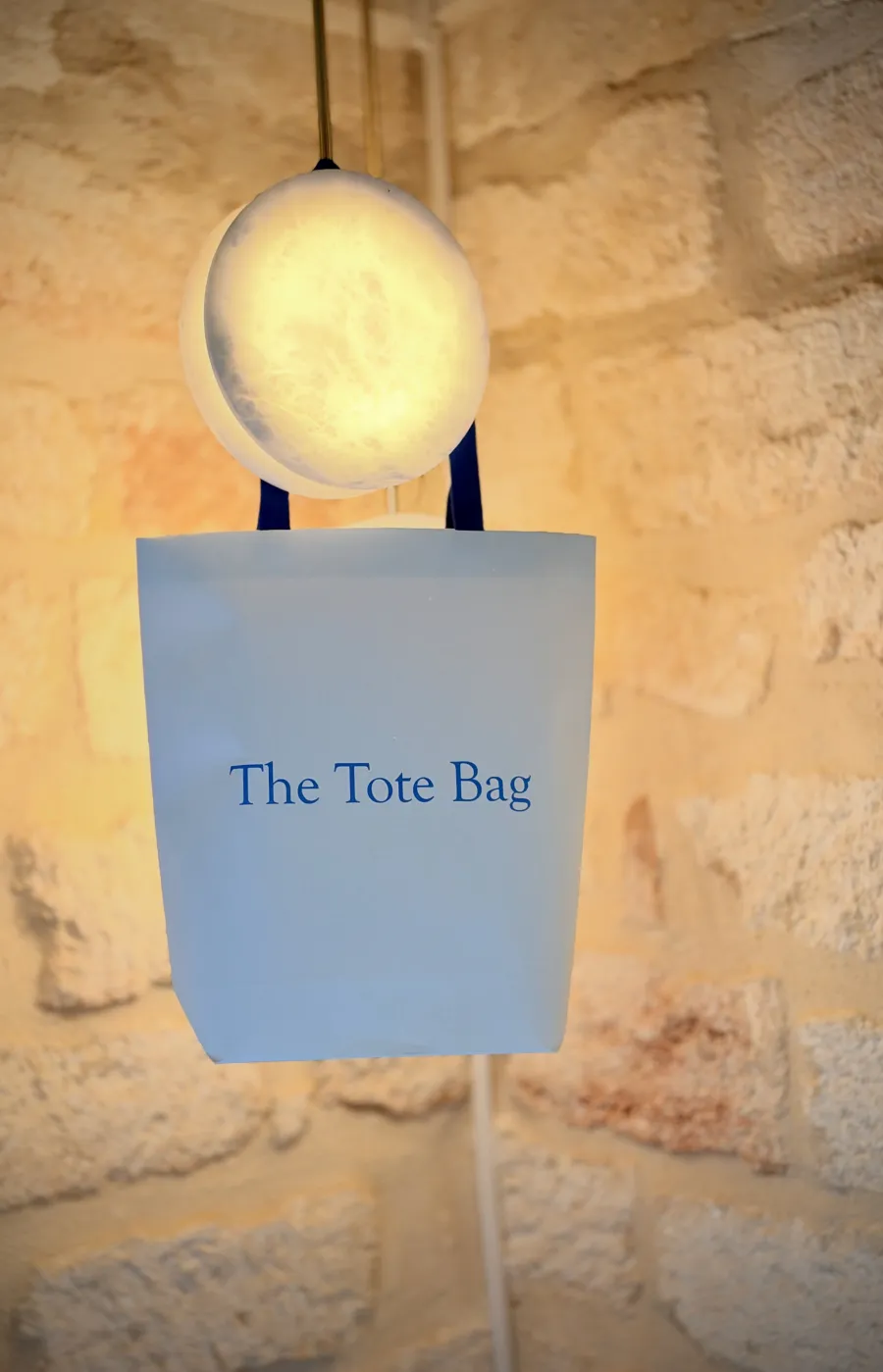
Reusable packaging: why customers keep it, or throw it away
Packaging is only reused if it stays beautiful and strong after first use. Bag, box, pouch: what makes customers keep packaging, and what makes them bin it. Read the articleNext step
A question about your print support? Let's put it on the table.
A bag, a label, a menu: we look at your item, compare it with the prototype, and you judge for yourself.