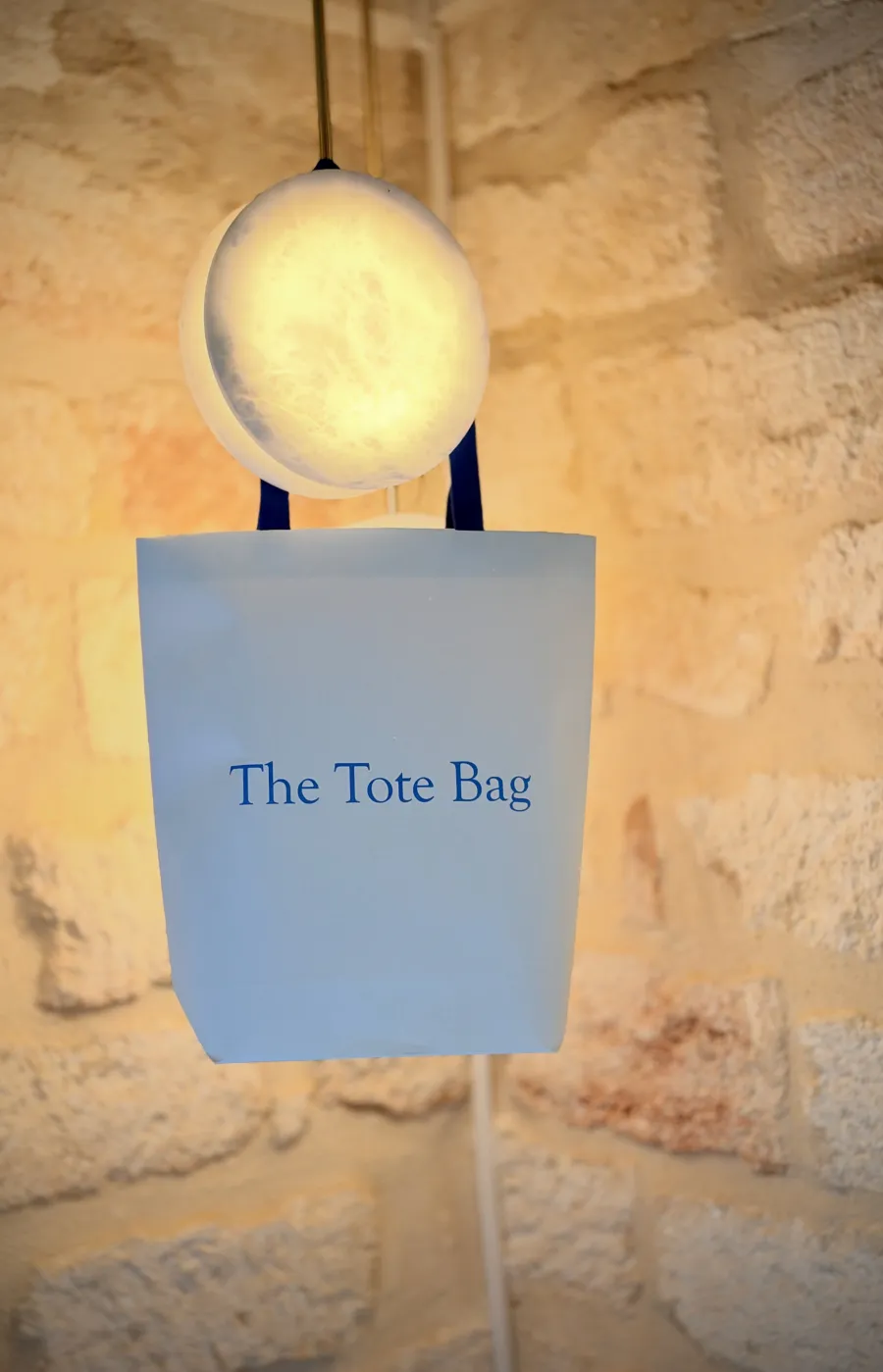
Blog Packaging
Reusable packaging: why customers keep it, or throw it away
Packaging is only reused if it stays beautiful and strong after first use. Bag, box, pouch: what makes customers keep packaging, and what makes them bin it.
Key points
- Packaging is only reused if it is still beautiful and strong after first use: the customer decides within seconds.
- Four things get packaging thrown away: water, grease, creasing, tearing.
- The bag, the box and the pouch are objects customers often keep, provided they hold up.
Reusable packaging cannot be declared. It becomes reusable the day a customer decides to keep it. That decision is made in seconds, when they take out the product: is the object still beautiful, still strong, still useful? If the answer is no, it risks ending up in the bin, whatever promise is printed on it.
What a customer keeps, and why
A customer keeps what they are not embarrassed to show. A bag that stands up, a box that stores, a pouch that travels: these objects have an obvious second function. Many other packagings have none, and nobody looks for one.
| Object | Where it ends up | What it must withstand |
|---|---|---|
| Bag | At the market, on the beach, in town | Weight, rain, the shoulder |
| Box | On the dressing table, on a shelf | Hands, steam, dust |
| Pouch | In a suitcase, a bag, a toiletry case | Creases, friction, leaks |
| Bottle sleeve | On the table, in the cellar | The ice bucket, condensation |
In every case, the second life begins with a test the customer never mentions: did it hold up?
What makes packaging give way
Packaging does not die all at once. It gives way on four fronts, and the customer spots them all.
- Water: a wet bag base that warps, rain that softens a handle, a box left near a sink.
- Grease: a stain of sun cream, butter or oil that stays visible and does not come off.
- Creasing: a white line that appears on the fold, where the ink cracks.
- Tearing: a handle that gives under the weight, a corner that opens, a pocket that splits.
The first real use is enough. Packaging that withstands water and grease once is packaging you can pick up a second time.

Beautiful and strong: both, or nothing
This is where some reusable packaging goes wrong. Very strong packaging with a utilitarian look stays in the cupboard. Very beautiful but fragile packaging does not survive its first outing in the rain. The customer does not choose between the two: they want an object that looks like a gift and holds up like a tool.
NotPaper is a mineral material, made mostly of calcium carbonate, with no wood fibre. It has the look of a high-end paper, with printing, solid colours and patterns. Hot foil, embossing and spot varnish are finishes added as an option. It does not soak up water and resists grease and tearing depending on the application and in our usage tests, without lamination: the resistance comes from the material.
In practice, a bag put down on a wet table can be wiped with one swipe. A box stored near a basin does not soak up the water that splashes it, and a pouch slipped into a suitcase is designed to resist friction. To be checked on your prototype, depending on the application.
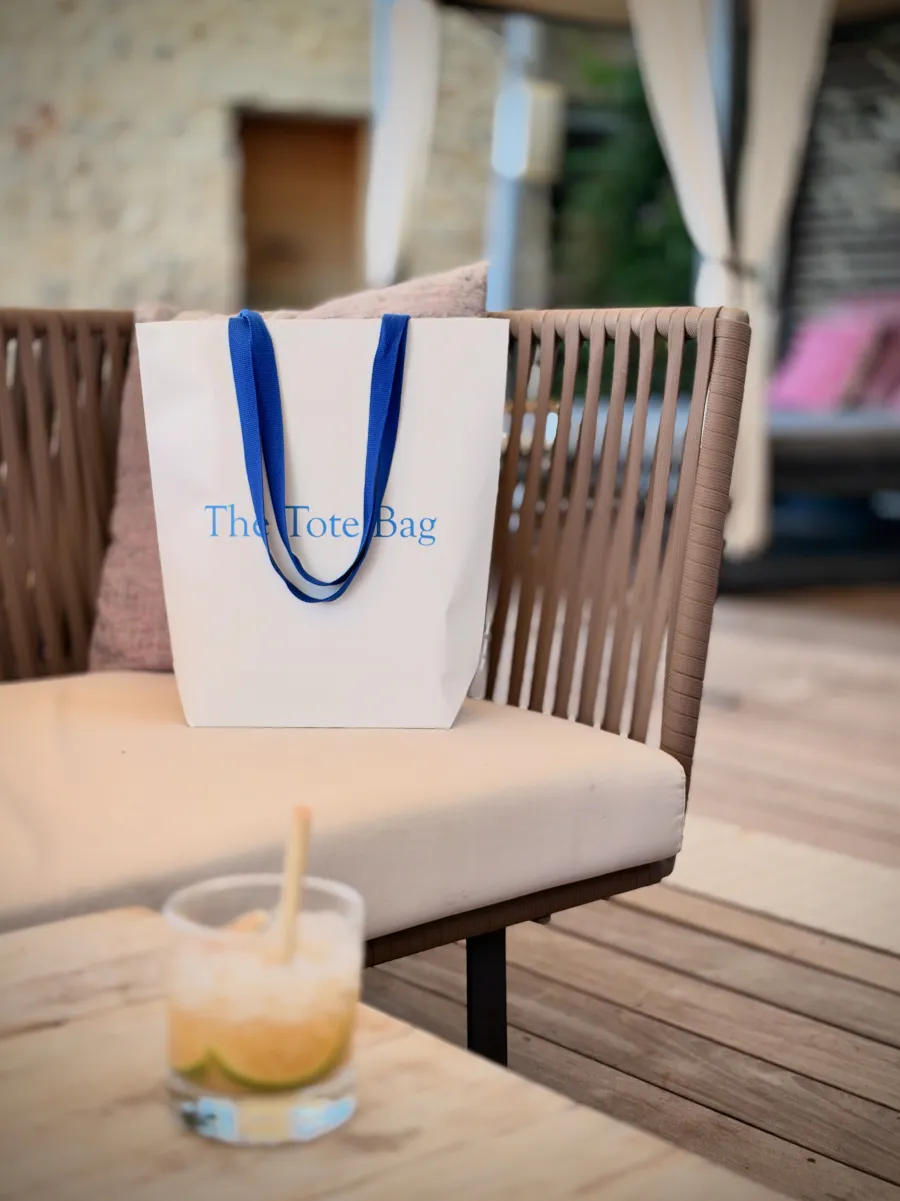
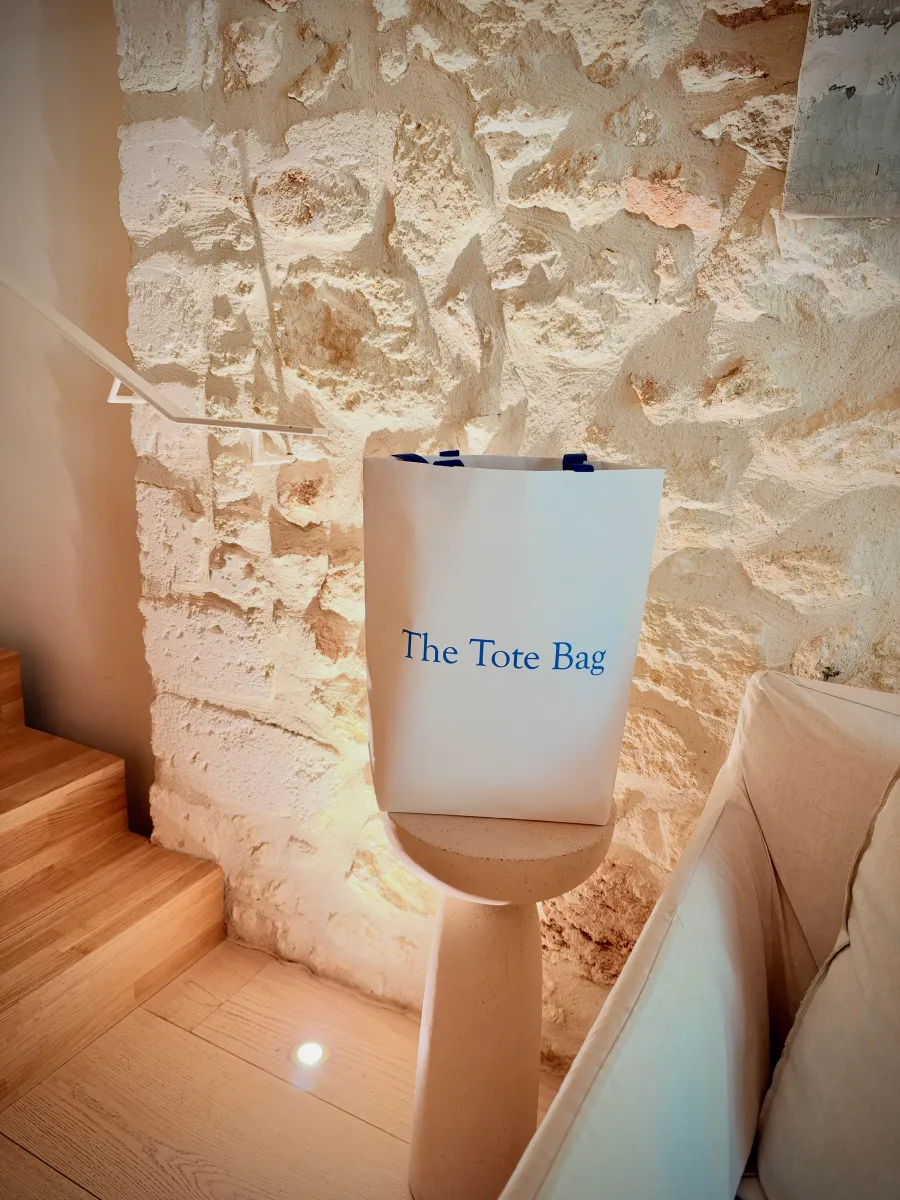
Reusable packaging is packaging nobody wants to throw away.
How to test packaging before ordering
Put your packaging through the tests the customer will.
- Wet it. Leave it for an hour on a damp surface, or under a tap.
- Soil it. Sun cream, oil, greasy hands: does it wipe clean without a trace?
- Fold it. Once, ten times: does the fold turn white, does the ink crack?
- Load it. With the real weight of the contents, damp ones included.
- Look at it three days later. Would your customer keep it?
If the packaging passes all five tests, it has a chance of a second life. If not, the customer risks throwing it away, even if it looked beautiful in the shop window. For a bag, a box or a pouch designed to be kept, discover our approach to reusable packaging, or see how The Tote Bag handles the bag the customer takes home.
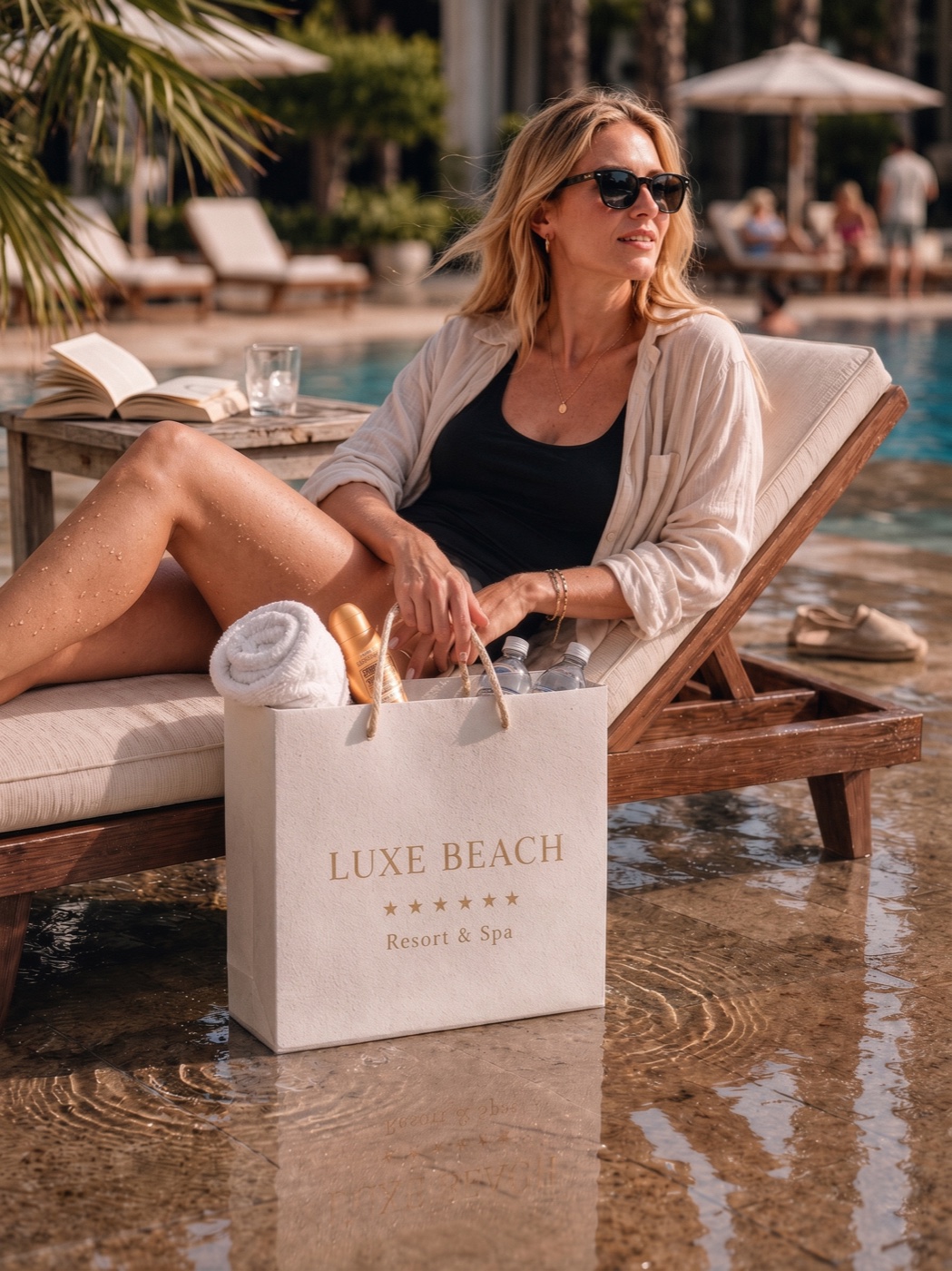 The product in this article Reusable packaging Premium packaging designed to be kept. Discover reusable packaging →
 Frequently asked questions
The questions we get asked.
What is reusable packaging?
Packaging designed to be kept and reused by the customer after purchase: a bag that goes to the market, a box that stores belongings, a pouch that travels. What counts is not the promise on the label, it is the state of the object after first use.
Which packaging is most often kept?
Generally, packaging with an obvious second function: the bag you carry, the box that stores, the pouch that travels. It still has to resist water, grease and handling.
Blog
Read next
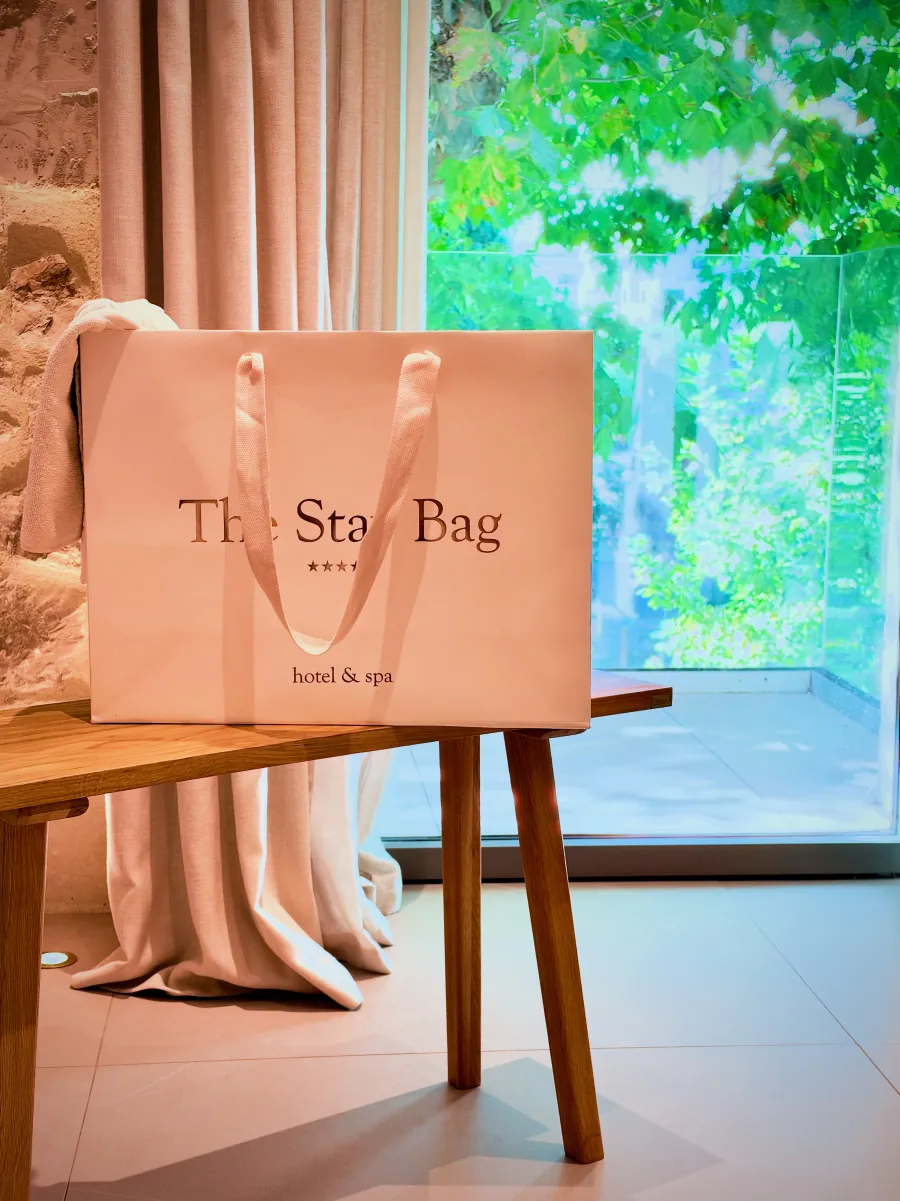
Hotel bag: which bag to give guests, from arrival to the spa
Welcome bag, spa bag, pool bag, boutique bag: what each hotel bag must withstand, and why one well-chosen bag can replace a whole stack of them. Read the article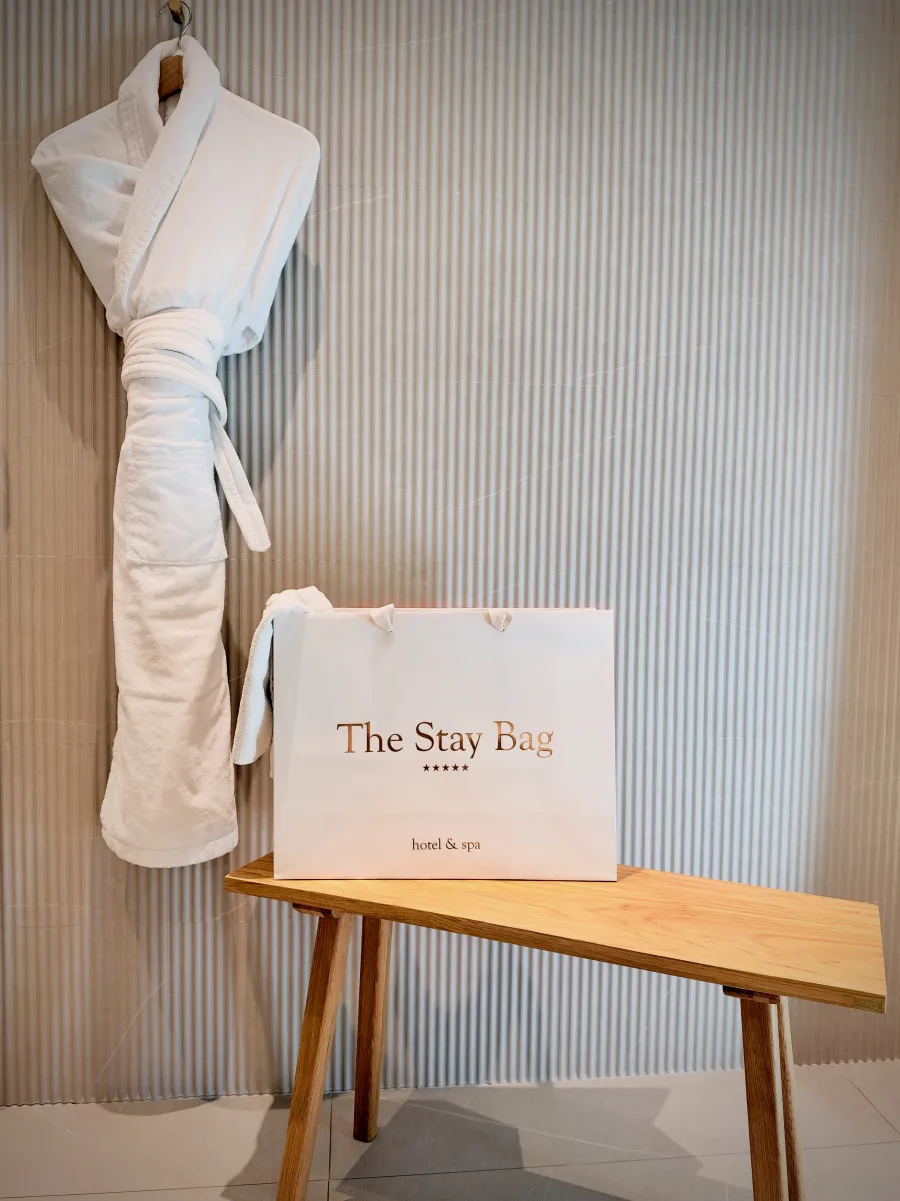
Hotel welcome bag: what goes inside, and the bag that stays
Water, a local guide, a local product, a personal touch: how to fill a hotel welcome bag that gets used, and the bag designed to be kept rather than thrown away. Read the articleNext step
A question about your print support? Let's put it on the table.
A bag, a label, a menu: we look at your item, compare it with the prototype, and you judge for yourself.