Blog Material
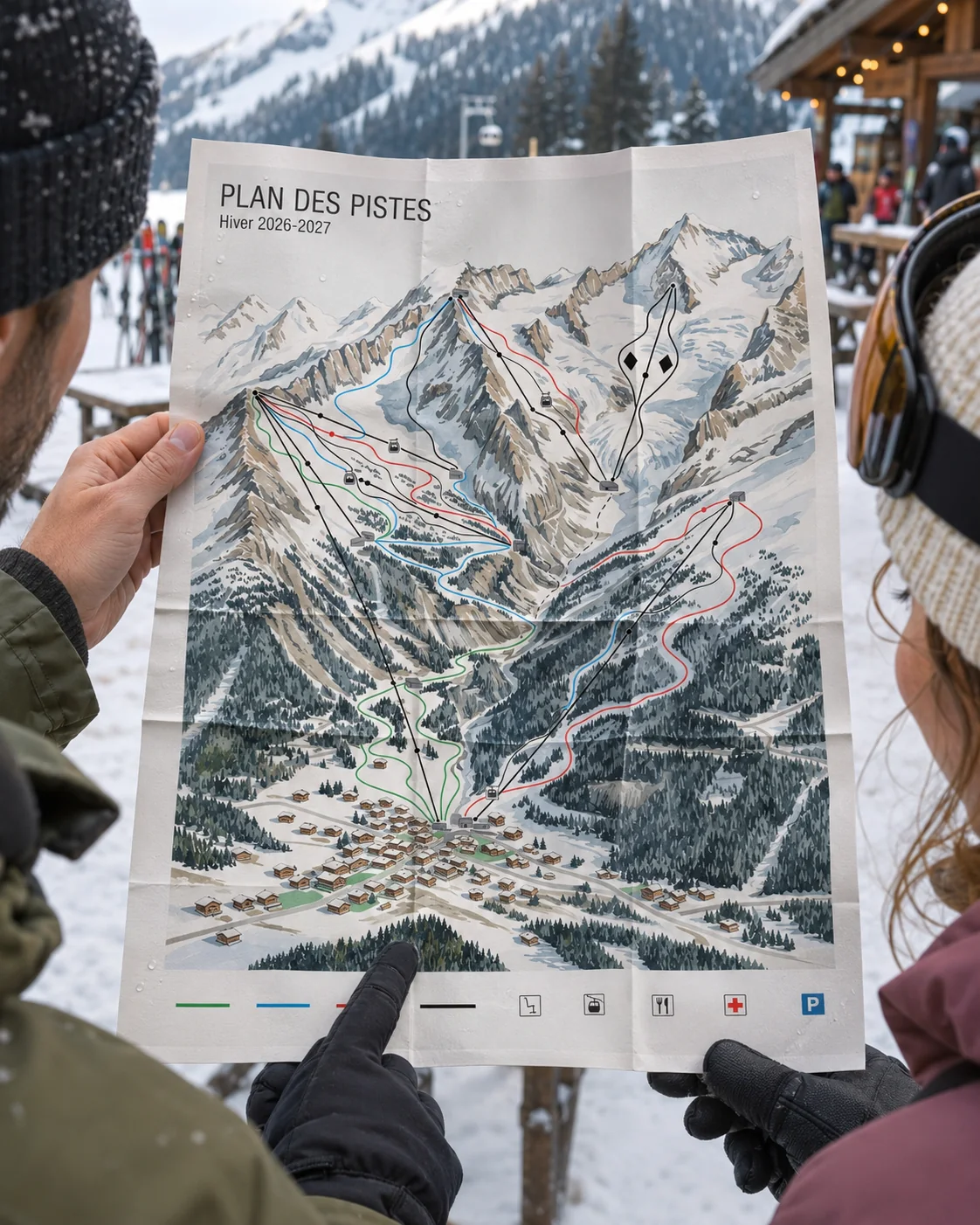
Stone paper piste maps: one map for the whole stay
Snow, gloves, damp pockets, cold: a piste map lives through a tough season. Stone paper keeps it crisp from the first to the last day of skiing.
Key points
- A piste map lives through a tough season: snow melting on gloves, damp pockets, folding in the cold.
- Stone paper carries its resistance to water and tearing in the material itself, down to −46 °C.
- Aspen Snowmass and Panorama have adopted this material for their maps; in France, NotPaper offers it exclusively.
- A map that lasts means fewer reprints and a lighter carbon footprint.
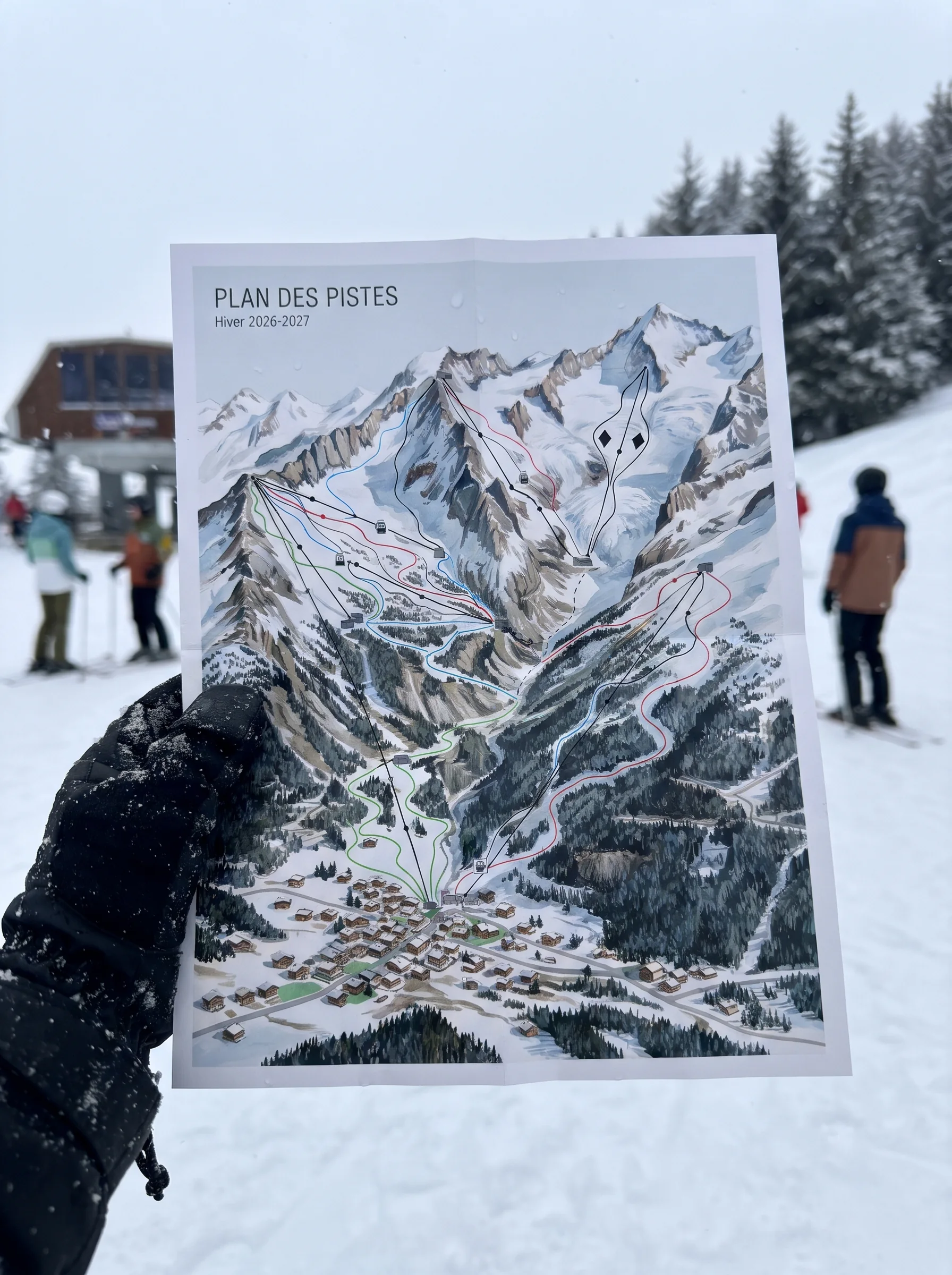
First morning on the slopes: the piste map goes from the lift ticket office into a jacket pocket. By noon, it has taken the snow, the gloves, the folding on the chairlift. Stone paper gives it a different season: one map, crisp from the first to the last day.
A piste map’s season
A piste map goes through more in a week than an office print does in a year.
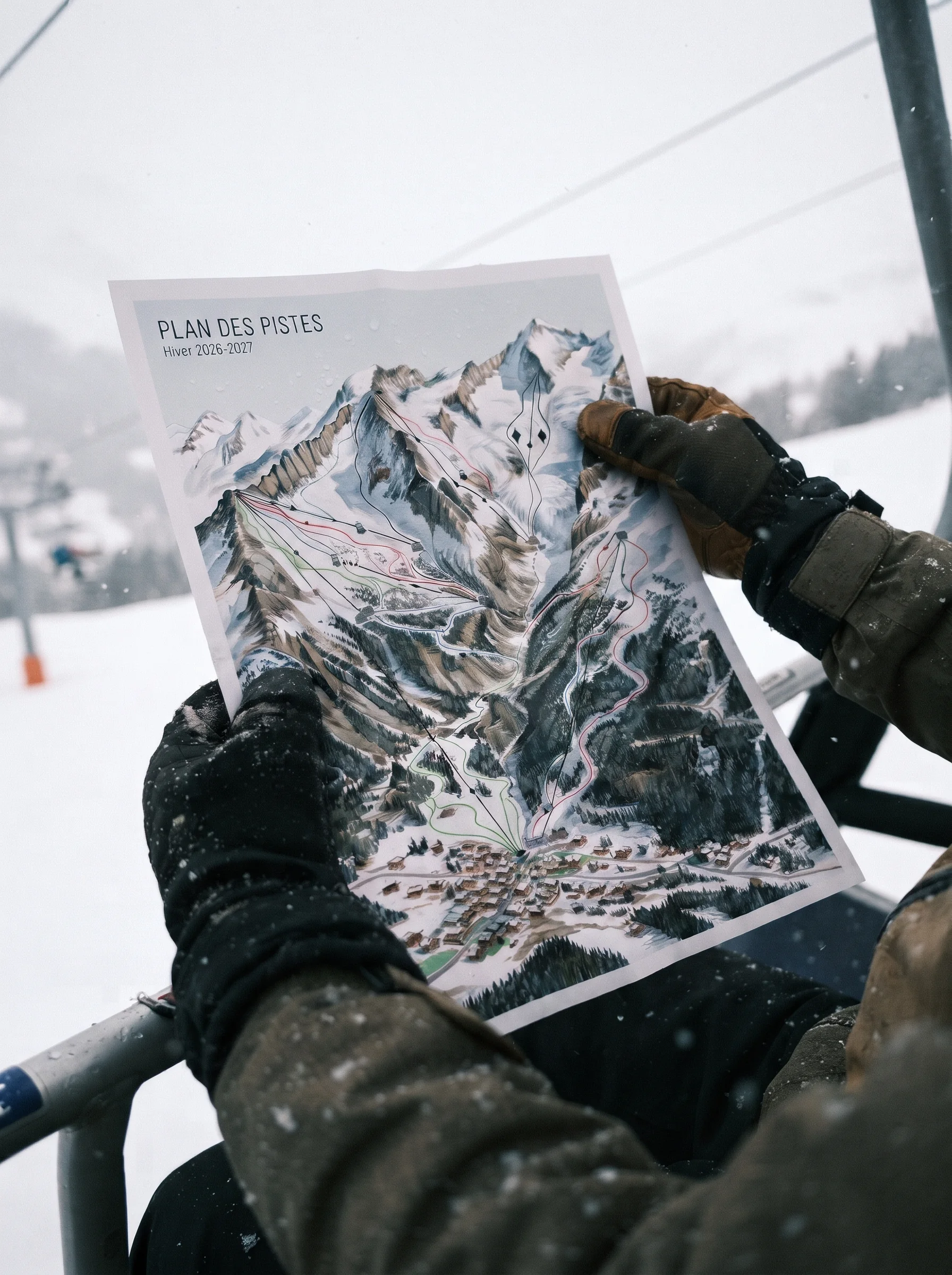
- Snow: flakes melt on the map unfolded at the top of the chairlift.
- Gloves: it is unfolded and folded back, gloves on, several times a day.
- A damp pocket: it spends the day against a wet jacket.
- Cold: it comes out of the pocket at −15 °C, in the summit wind.
With a standard paper, skiers often take a second one, then a third: the first ends up soaked, the next one torn. For the resort, every map taken again is a map reprinted.
What stone paper changes
Stone paper is a mineral material. NotPaper is made of calcium carbonate, sourced notably from marble offcuts, and a small share of binder made of high-quality recycled white PE. Its resistance to water and tearing comes from the material itself, without lamination.
On the slopes, that means a map that:
- resists water: melted snow wipes off with the back of a glove;
- resists tearing: repeated folding keeps it whole;
- stays supple in the cold, down to −46 °C;
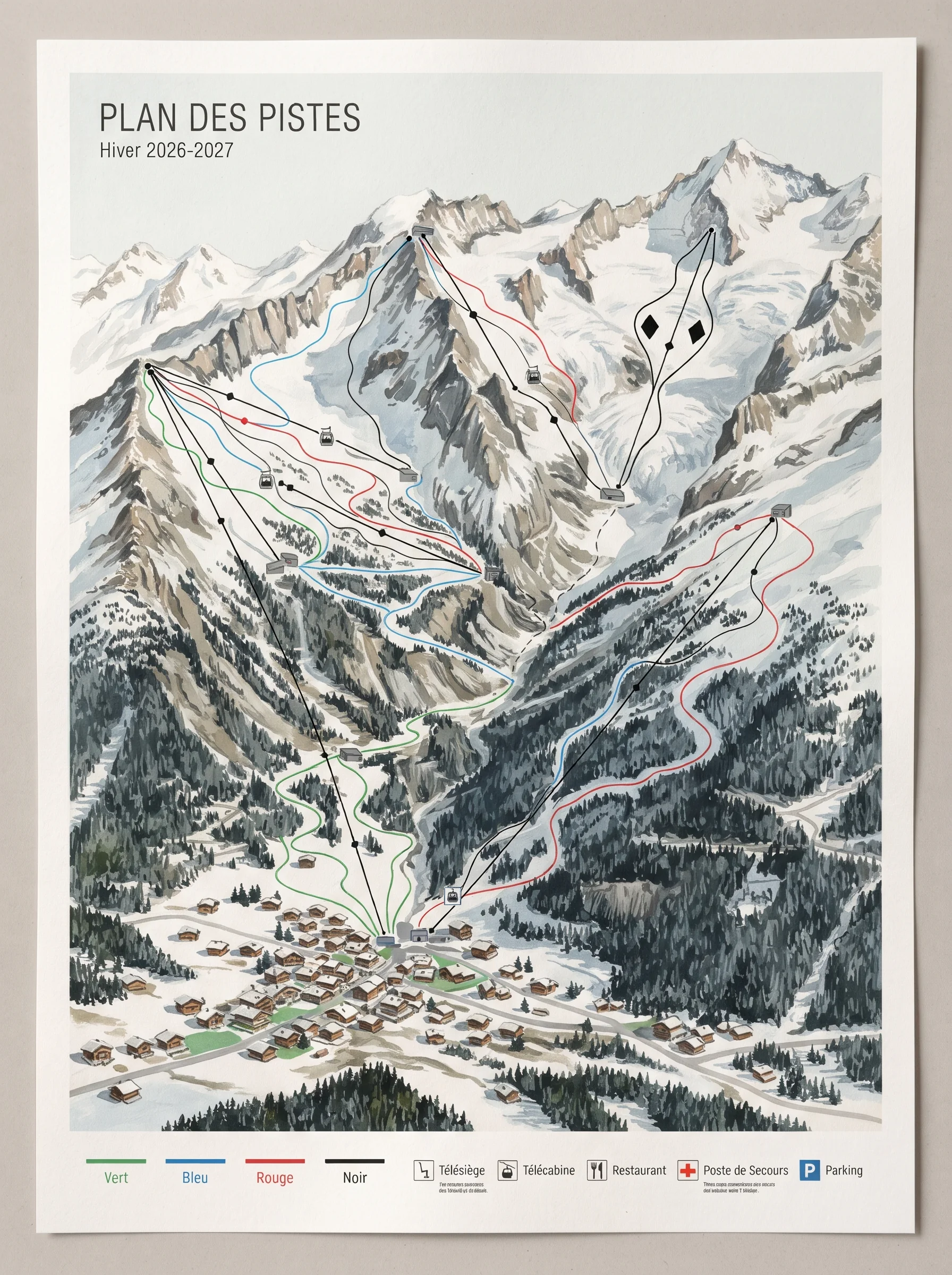
- keeps a fine finish: crisp colours, solid areas, fine piste lines.
Major resorts have already adopted it
Stone paper has already proven itself on the slopes. In the United States, Aspen Snowmass printed 200,000 piste maps on this material for the 2019-2020 season. In Canada, Panorama resort made the same choice for its maps.
Panorama sums up the effect very simply: thanks to the durability of these maps, people hold onto their map or pass it along to a friend instead of grabbing a new one each visit.
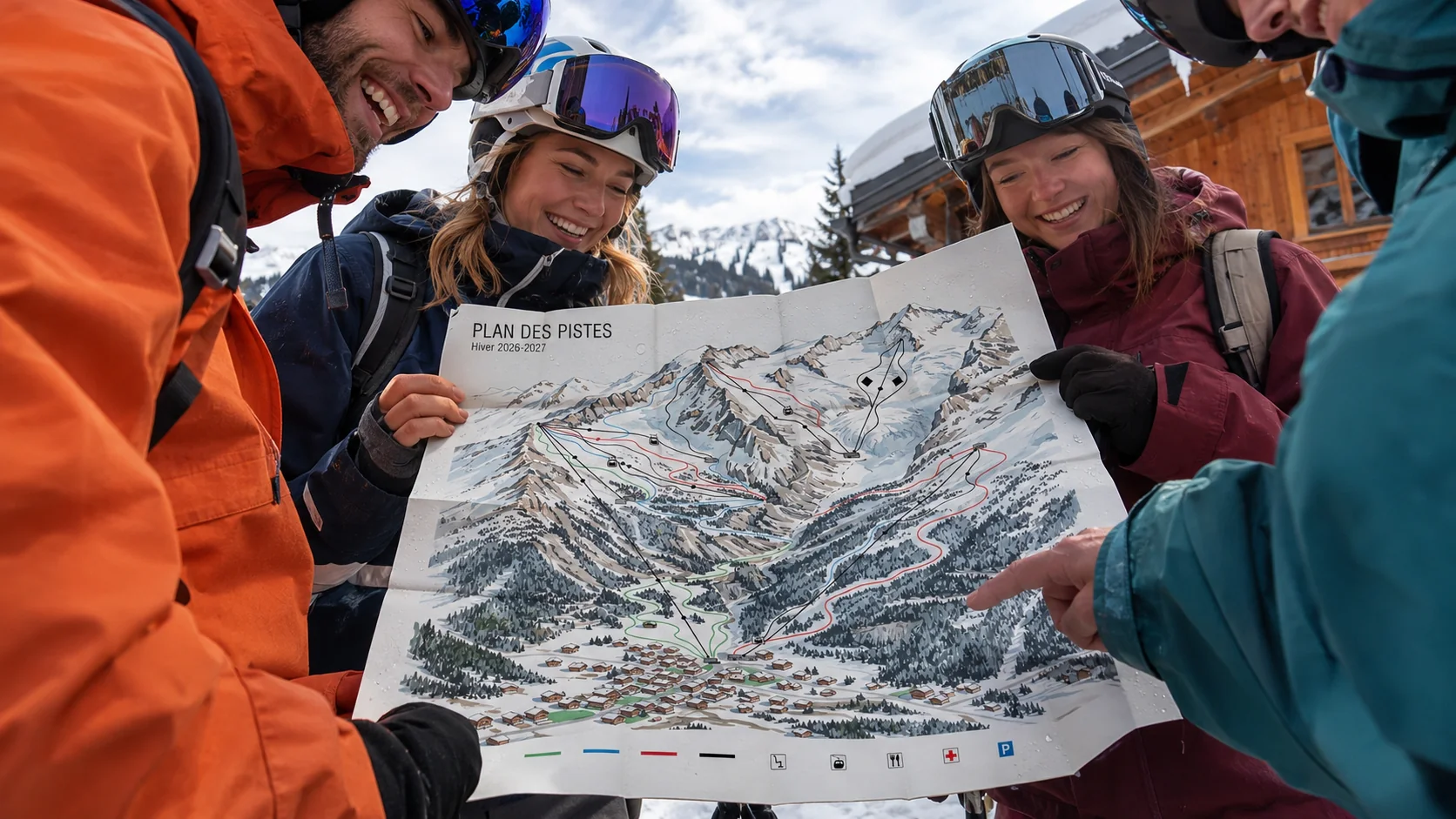
A map that lasts the whole stay is a map the skier keeps, and one the resort reprints less.
In France, NotPaper offers this material exclusively.
Fewer reprints, a lighter carbon footprint
A map that lasts the week means fewer maps handed out per skier, so smaller print runs every season.
And on carbon, the material does better than what it replaces: 23% less CO₂e than virgin paper, and up to 67% less than plastics, weight for weight. Details of the measurements and the Cradle to Cradle label are on the Proof and compliance page.
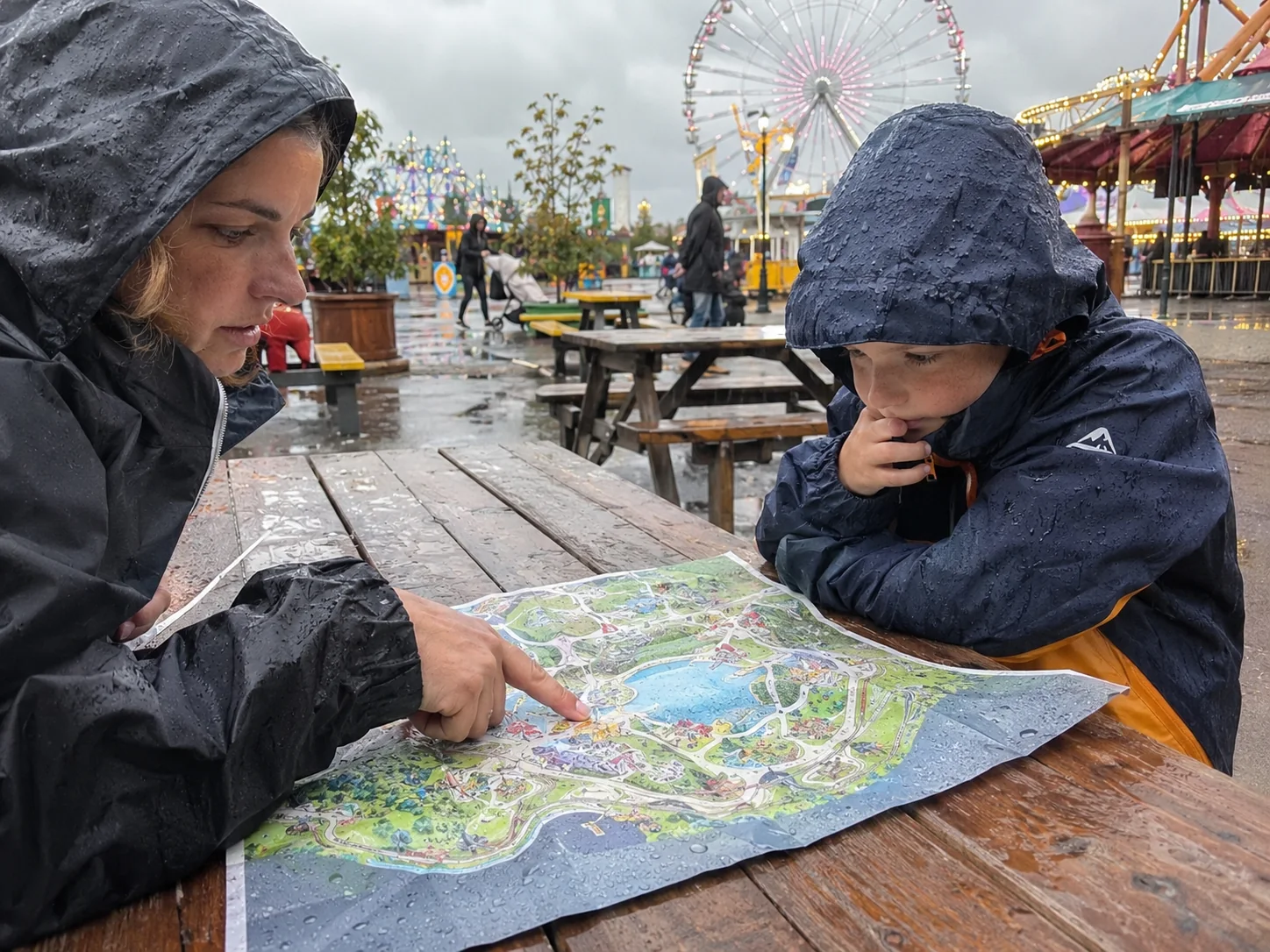
And in parks, in the rain
What works for snow works for a downpour. A leisure park map lives through rain, water rides, the wet terrace table. In Japan, Adventure World park moved its million yearly guides to a limestone-based material.
Test your map
The best argument is your own map, in the field.
- Send us your current map, in your resort’s format and colours.
- We print a prototype on stone paper.
- Your teams test it: snow, gloves, pockets, chairlift.
- We launch the run for the season.
Everything is on the printed items and everyday objects page, and we are happy to show you a map run under water, in 30 minutes.
The product in this article Print media & objects made for use Menus, maps, cards and items that pass from hand to hand without wearing out. Discover the supports → Frequently asked questions
The questions we get asked.
What is a stone paper piste map?
A map printed on a mineral material: calcium carbonate, sourced notably from marble offcuts, and a small share of binder made of high-quality recycled white PE. It keeps the suppleness and look of fine paper, and it is designed to resist water, snow and tearing.
Does the map stay supple in extreme cold?
Yes. The NotPaper material is designed for the slopes, down to −46 °C: the map unfolds and folds back with gloves on, from the first to the last day of skiing.
Which resorts already use stone paper piste maps?
In North America, Aspen Snowmass in the United States and Panorama in Canada have adopted stone paper for their piste maps. In France, NotPaper offers this material exclusively.
How can I test a stone paper map for my resort?
Send us your current map: we print a prototype in your format, your teams test it in the field, then we launch the run.
Sources
- Two of Aspen Skico's latest environmental measures (Stone Paper trail maps, 2019-2020 season) Aspen Sojourner
- Welcome to the Stone Age (stone paper trail maps) Panorama Mountain Resort
- Park guides printed on LIMEX, a limestone-based material (14/03/2019) Adventure World
Blog
Read next
Paper alternative: the print that stands up to water, grease and cold
Ski map, terrace menu, campsite card, bathroom label: what a mineral material brings to your printed items, situation by situation. Read the article
Stone paper: what it is and what it changes
Stone paper, or mineral paper, is made from calcium carbonate with no wood fibre. What it does well, how it prints and how to decide for your object. Read the article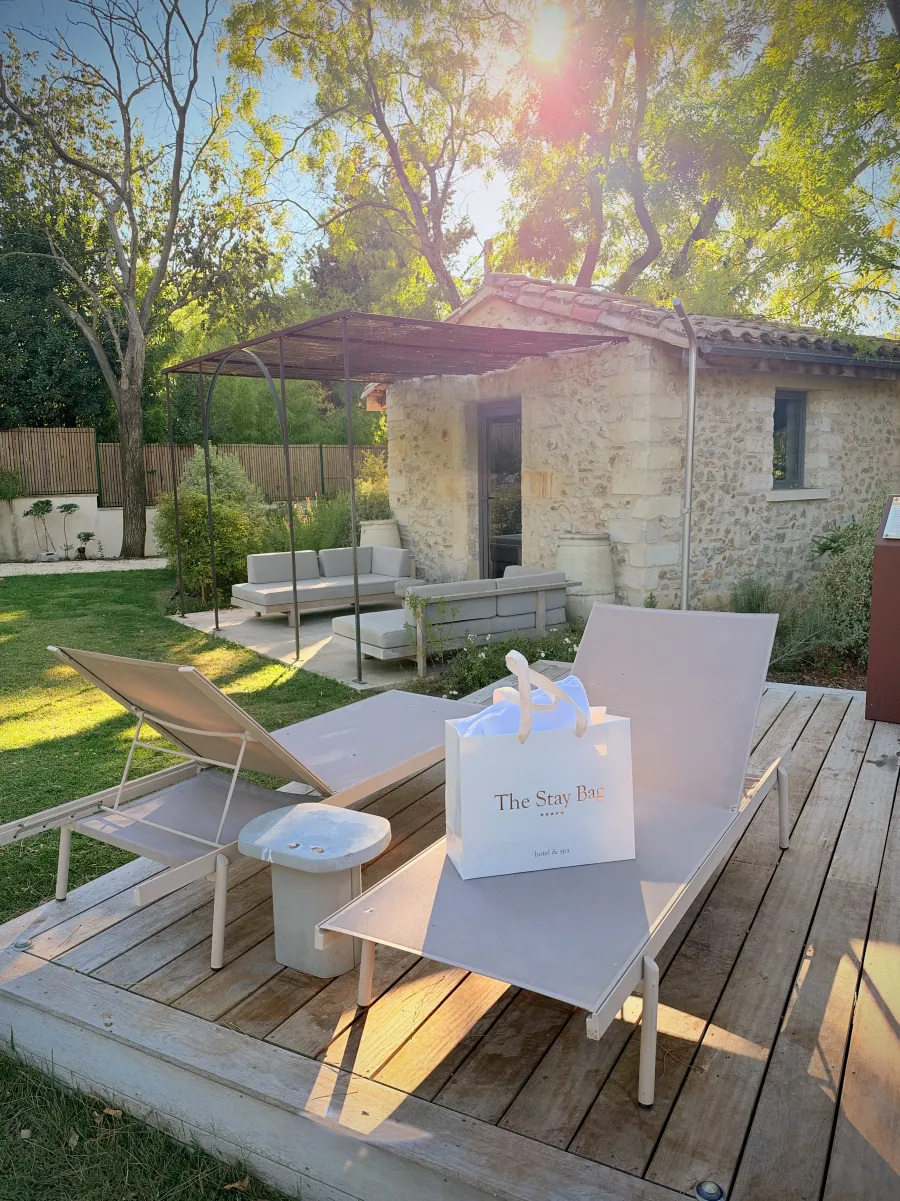
Hotel pool and spa bag: what stands up to water and sun cream
Water, steam, sun cream, a wet bench: the real tests a hotel pool and spa bag goes through, and how to try them before you order. Read the articleNext step
A question about your print support? Let's put it on the table.
A bag, a label, a menu: we look at your item, compare it with the prototype, and you judge for yourself.