
Blog Material
Stone paper: what it is and what it changes
Stone paper, mineral paper: a material made from calcium carbonate, with no wood fibre. What it changes against water, grease and in the hand.
Key points
- Stone paper is based on calcium carbonate, the stone in limestone: there is no wood fibre in the material.
- It does not absorb water and resists grease and tearing depending on the application, with a finish close to premium paper.
- The real test is the finished object: a prototype that your teams wet, fold and handle.
Stone paper has a reputation as a paper that withstands water. That is often true, and it is only part of the story. Here is what it really is, what it does better than standard paper, and how to choose it for your object.
Stone paper, mineral paper: what it is
Despite its name, stone paper contains no paper pulp. It is calcium carbonate powder, the stone in limestone, bound into a flexible, printable sheet. No wood fibre.
It is also sold as mineral paper or rock paper. Same family, same principle.
NotPaper belongs to this family: a material made mostly of calcium carbonate, held together by a binding agent, with no wood fibre. The result: a flexible, printable sheet that folds and can be shaped.
What it does well
A material is judged in use. The tests that matter are simple:
- Water: the material does not absorb water, depending on the application. A menu in the rain, a label by the washbasin.
- Grease: sun cream, oil, fingers. The material stays presentable.
- Tearing: folded, refolded, slipped into a pocket, it is designed to withstand repeated handling, to be checked on your prototype.
- Finish: a feel and a whiteness close to premium paper, with printing, solid colours and patterns. Hot foil, embossing and spot varnish are optional added finishes.
- Fibre: no wood in the material.
This resistance comes from the material itself, without lamination, depending on the application and in our use tests. Standard paper gets laminated or varnished when use gets rough. Here, protection is not a layer added on top: it is part of the material.

What it changes for your object
An object that stays presentable for longer is seen differently. A menu that does not buckle after a shower, a wine or champagne label that stays crisp in the ice bucket, a hotel bag that keeps its shape by the bath: the customer sees the brand, not the wear.
Fewer layers. Resistance is part of the material: no film glued on top, depending on the application.
No wood fibre. The base is mineral: no paper pulp in the material.
Leaner manufacturing. At NotPaper: 23% less CO₂e than virgin paper, made with no trees, no process water and no chlorine bleaching, and up to 67% less than plastics, weight for weight. ITRI measurement from raw material to factory gate; details on the Proof and compliance page.
A material is not judged by its name. It is judged by the finished object, in the customer’s hand.
Printing on stone paper: prototype first
Inks, glues, foil, varnish: on a mineral material, they do not always behave as they do on paper. Every project is validated on the real object, in four steps:
- A prototype of your real object, with its shape, finishes and production method.
- Use tests: water, grease, cold, rubbing, handling, folding.
- Validation of inks, glues and foil.
- A pilot run with your teams before rolling out.
How to decide
Ask yourself three questions before comparing quotes. Where does the object live: somewhere dry, or between water, grease and hands? How long must it stay presentable? Who handles it?
If the answer is “outside, for a long time, between water and hands”, stone paper deserves a prototype. To see the material, touch it and wet it, go to NotPaper, the material.
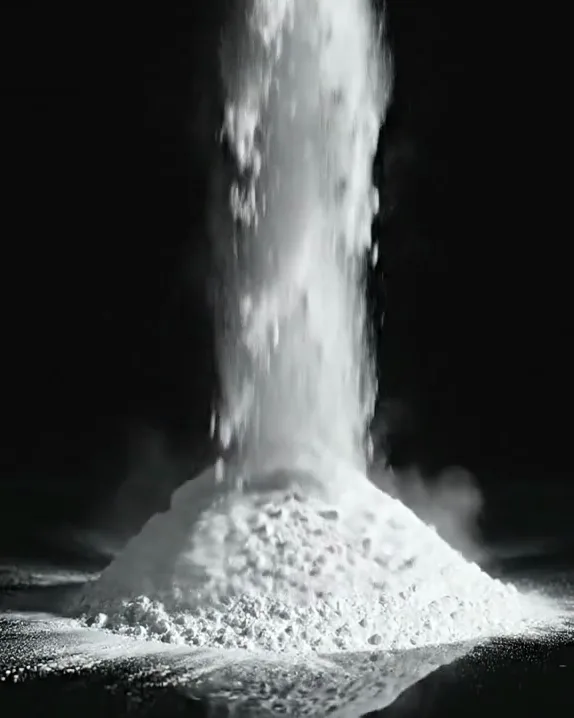 The product in this article The material Calcium carbonate, sourced notably from marble offcuts, and a small share of binder made of high-quality recycled white PE. Discover the material →
Frequently asked questions
The questions we get asked.
Stone paper, mineral paper: what is the difference?
None in principle. They are names for the same family of materials: a mineral powder, most often calcium carbonate, bound into a flexible, printable sheet. Formulations, weights and finishes vary from one maker to another.
Is stone paper really paper?
No. It is a mineral material that takes on the look and some of the uses of paper: printing, folding, finishes. Its base is not a fibre but calcium carbonate held together by a binding agent.
Can you print and foil on it?
Yes: printing, solid colours and patterns, then hot foil, embossing or spot varnish depending on the project. Inks and finishes are validated on a prototype of your object.
Which objects is stone paper made for?
Those that live between water, grease and hands: wine, champagne and cosmetic labels, menus, maps, cards, hotel and spa bags.
What is the carbon footprint of NotPaper stone paper?
1.1 kg CO₂e per kg of material, measured by ITRI (PAS 2050, ISO 14067), from raw material to factory gate. That is 23% less than virgin paper, made with no trees, no process water and no chlorine bleaching, and up to 67% less than plastics, weight for weight. The material is Cradle to Cradle Bronze certified.
Blog
Read next
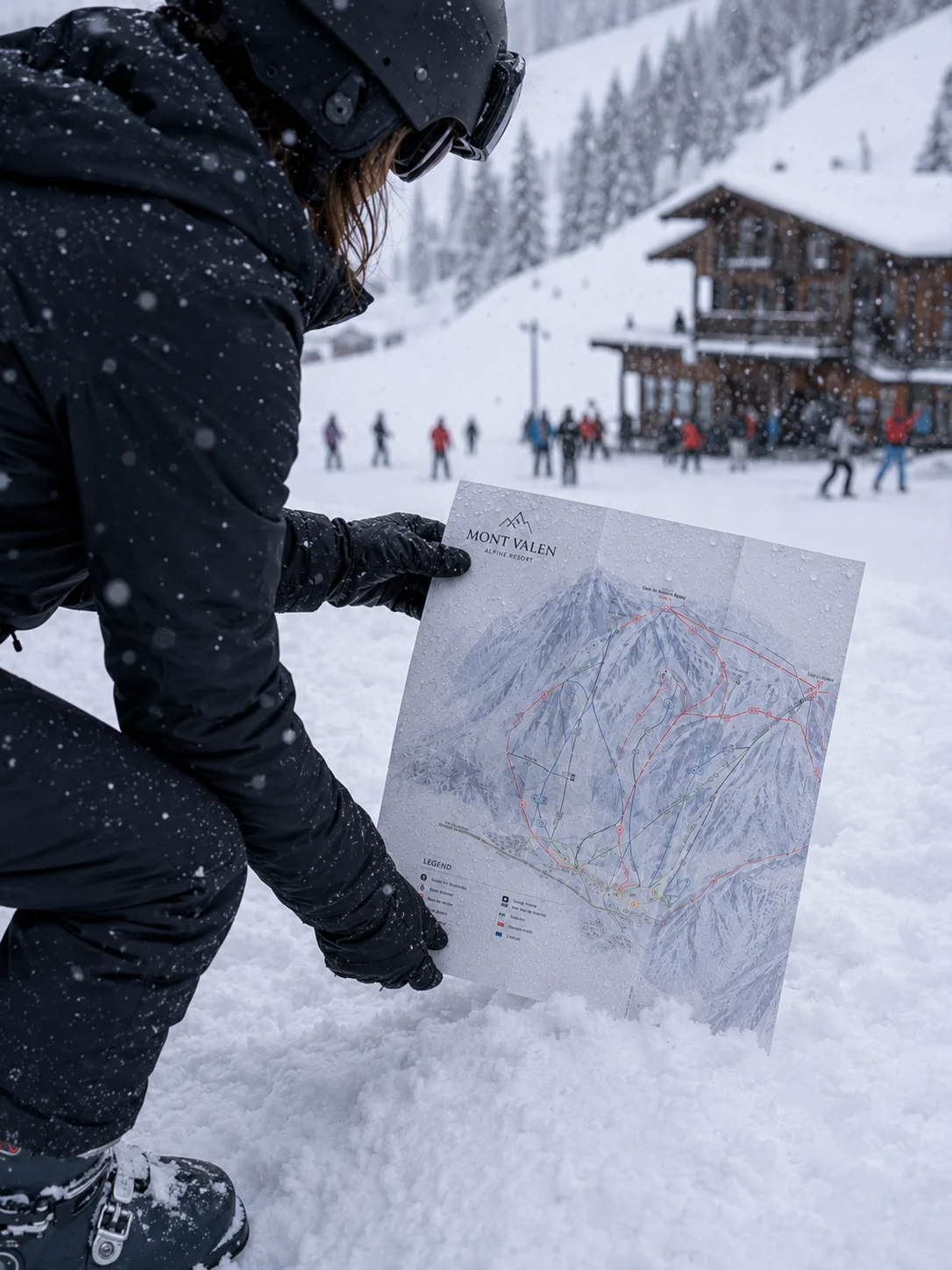
Paper alternative: the print that stands up to water, grease and cold
Ski map, terrace menu, campsite card, bathroom label: what a mineral material brings to your printed items, situation by situation. Read the article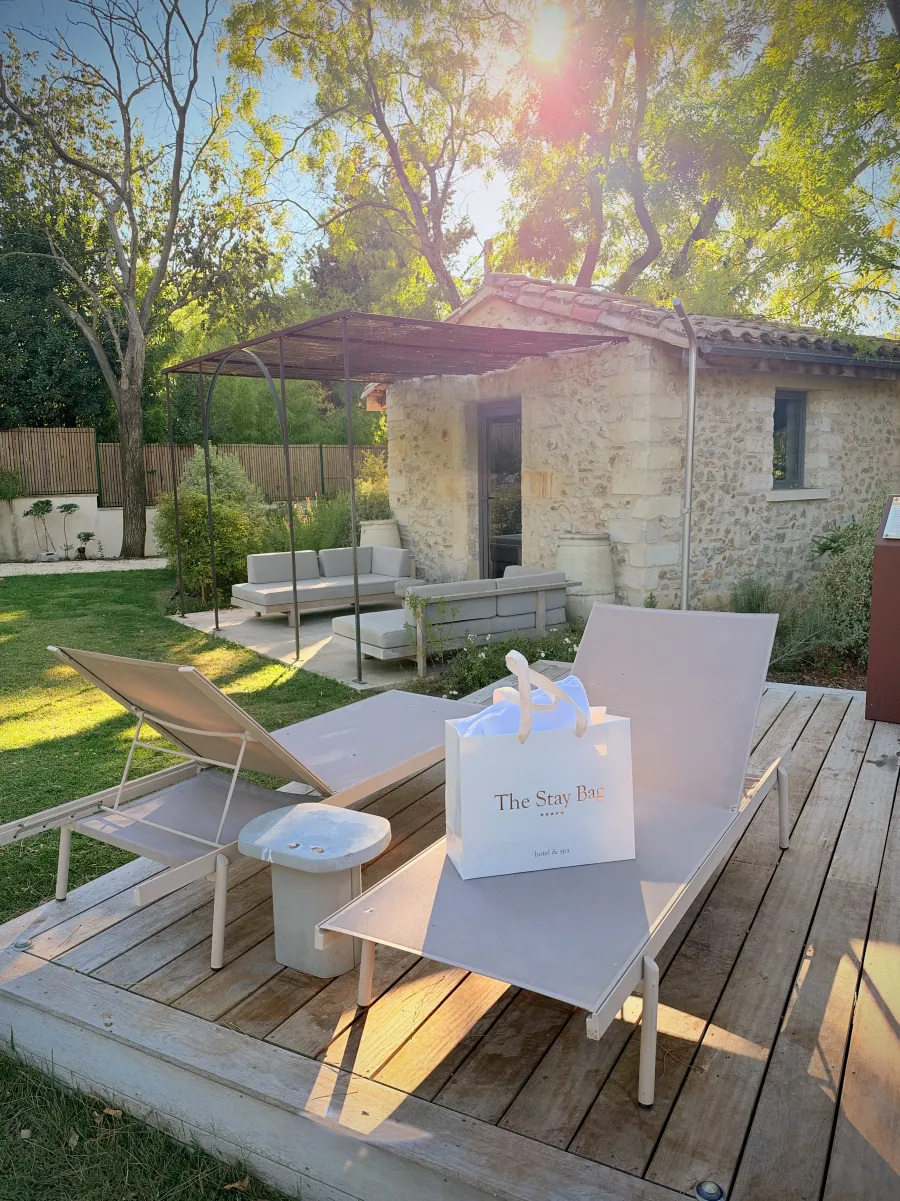
Hotel pool and spa bag: what stands up to water and sun cream
Water, steam, sun cream, a wet bench: the real tests a hotel pool and spa bag goes through, and how to try them before you order. Read the article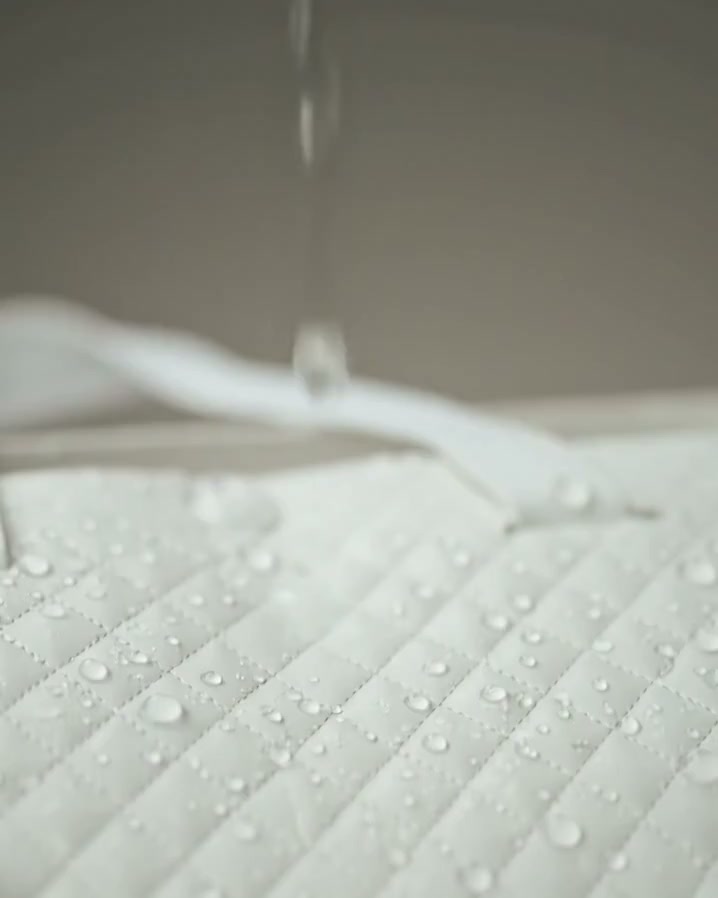
Waterproof labels: treated paper, plastic film or mineral material
Wine, champagne, fragrance, skincare: what happens to a treated paper, plastic film or mineral label in ice, water and grease. Read the articleNext step
A question about your print support? Let's put it on the table.
A bag, a label, a menu: we look at your item, compare it with the prototype, and you judge for yourself.