Blog Hospitality
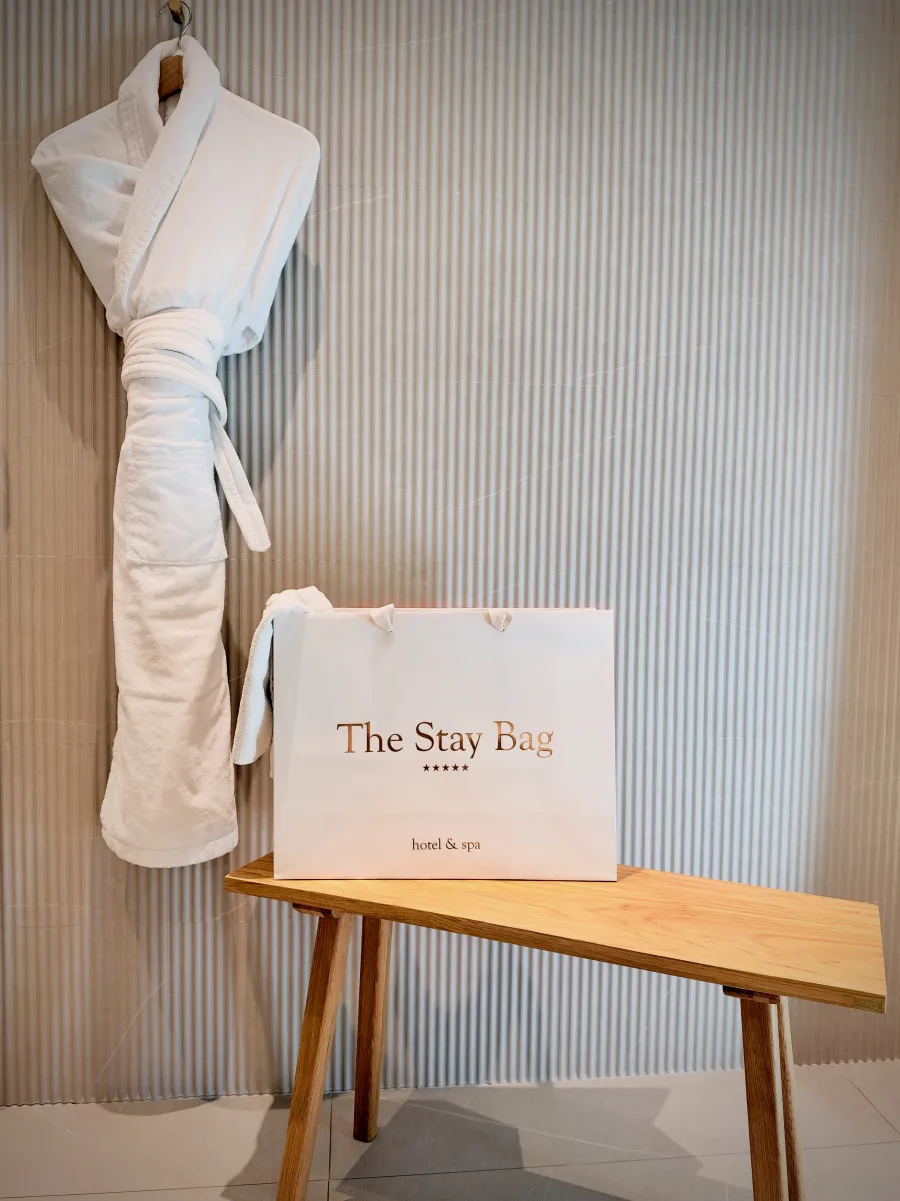
Hotel welcome bag: what goes inside, and the bag that stays
Water, a local guide, a local product, a personal touch: how to fill a hotel welcome bag that gets used, and the bag designed to be kept rather than thrown away.
Key points
- A welcome bag is judged by what the guest uses within the hour: water, a guide to the place, a local product, a note written for them.
- The contents last an evening. The bag can last the whole stay, and go home in the suitcase.
- The bag must pass the same tests as the room: the bathroom bench, two damp bath towels, the shoulder carry.
The guest opens the room door, puts down their suitcase, spots the bag. Before saying a word to anyone, they already know what the house thinks of them. A successful welcome bag is not measured by how many objects are slipped inside. It is measured by what the guest uses within the hour, and by what they take away on departure.
What goes inside, and why
The temptation is to put in too much: three flyers, a sample, a discount voucher. The guest empties the bag onto the bed, keeps one thing and throws away the rest. Four items that get used are better.
| Item | What it tells the guest | The trap |
|---|---|---|
| Water | “We thought of your arrival”: the simplest welcoming gesture | An anonymous bottle, unrelated to the place |
| A guide to the place | Where the spa is, when the bar closes, the three addresses you would give a friend | A ten-page booklet nobody opens |
| A local product | The place exists: honey, a biscuit, an oil from the region | A product with no link to the place |
| A personal touch | “We were expecting you”: a handwritten note, a first name, an occasion | A printed formula, the same for everyone |
Each product keeps its own packaging: the bag accompanies, it does not replace. And if you keep only one, keep the last. A note written for the guest weighs more than any other object on the list.
The bag: the one you throw away, the one you take home
In some hotels, the welcome bag is opened, emptied, then often thrown away that evening. In that case, the first thing the guest does with your brand is put it in the bin. That is not a detail: it is the first object they hold.
A bag that stays has to be useful after it has been emptied. Put it through the tests of the room:
- The bathroom bench: set down near the bottles, it must not fear a splash.
- Two damp bath towels: the guest loads it for the spa, it must not collapse.
- Hands: cream, oil, a swimsuit that is still wet.
- The shoulder: long handles, to carry it from the spa to the terrace.
- The third day: check that the foil and the colours are as sharp as on arrival.
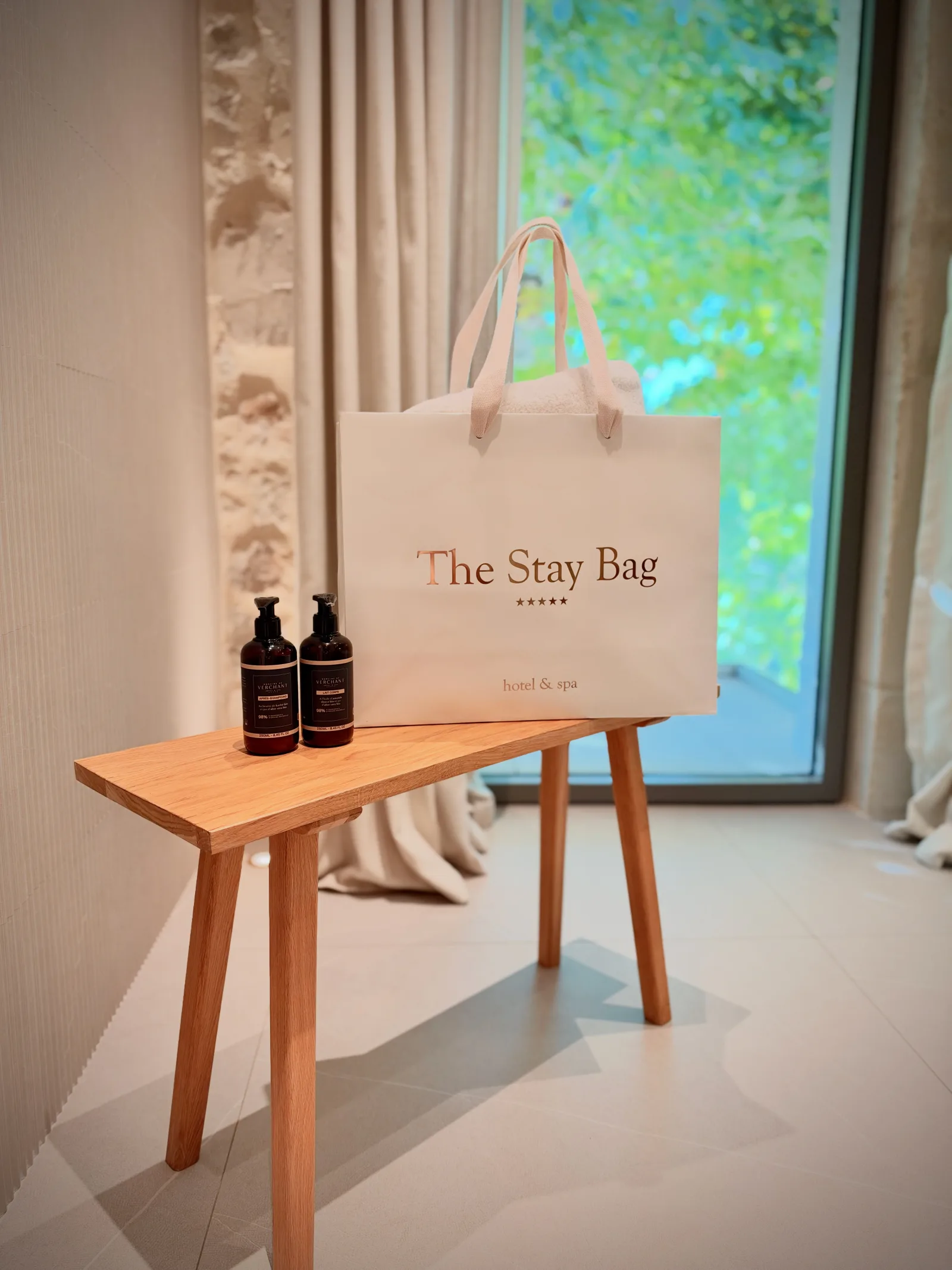
The bag that stays, from the room to the suitcase
The ideal scenario has three steps. The bag waits for the guest in the room, with the water, the guide, the local product and the note. The guest empties it, puts it near the door, then picks it up the next day for the spa: bathrobe, swimsuit, towel. On departure, they slip it into the suitcase.
We designed The Stay Bag for this scenario. It stands upright, is designed to carry damp bath towels and is worn on the shoulder thanks to long handles. The material, NotPaper, is made mostly of calcium carbonate, with no wood fibre. It does not soak up water, depending on the application, and is made without lamination: the resistance comes from the material, to be checked on your prototype. The look remains that of a high-end paper: printing, solid colours, patterns, then, as finishes added as an option, hot foil, embossing and spot varnish.
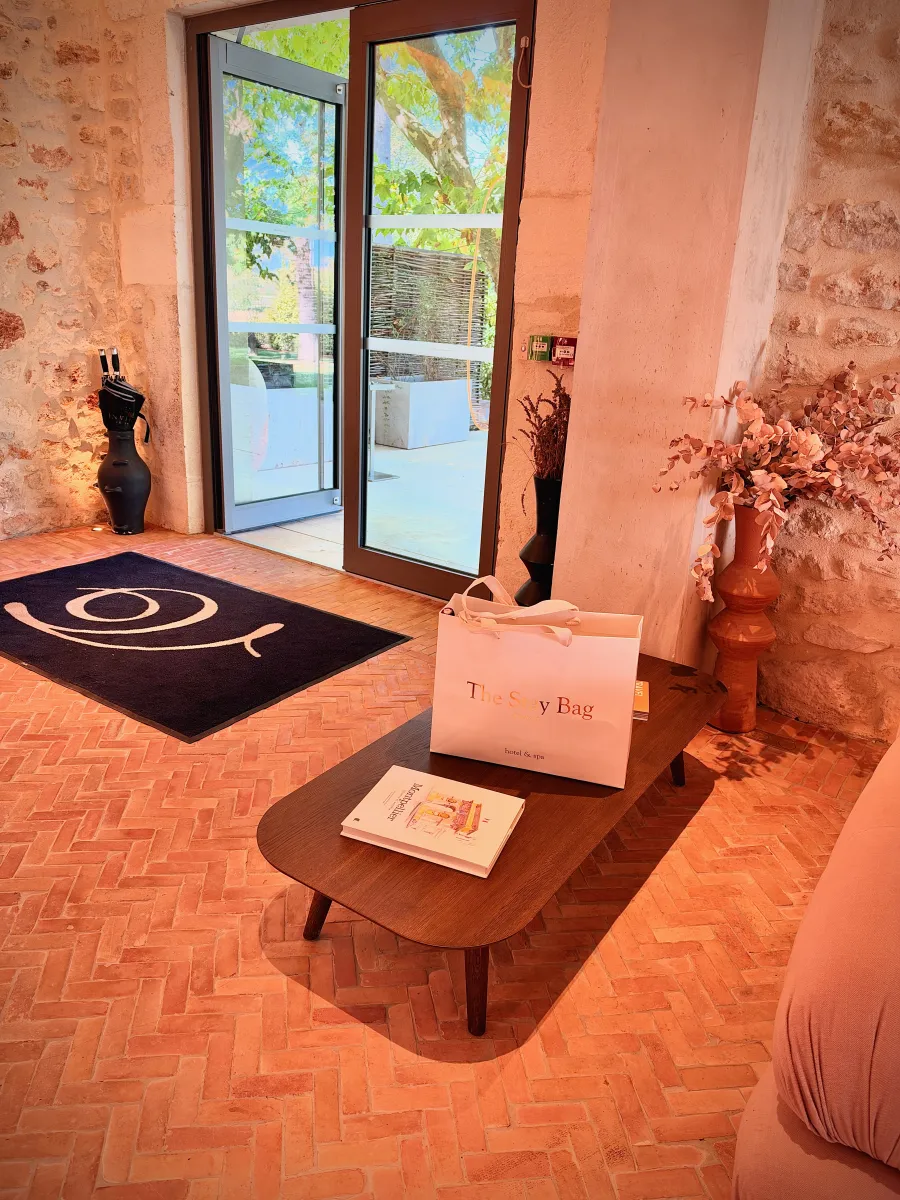
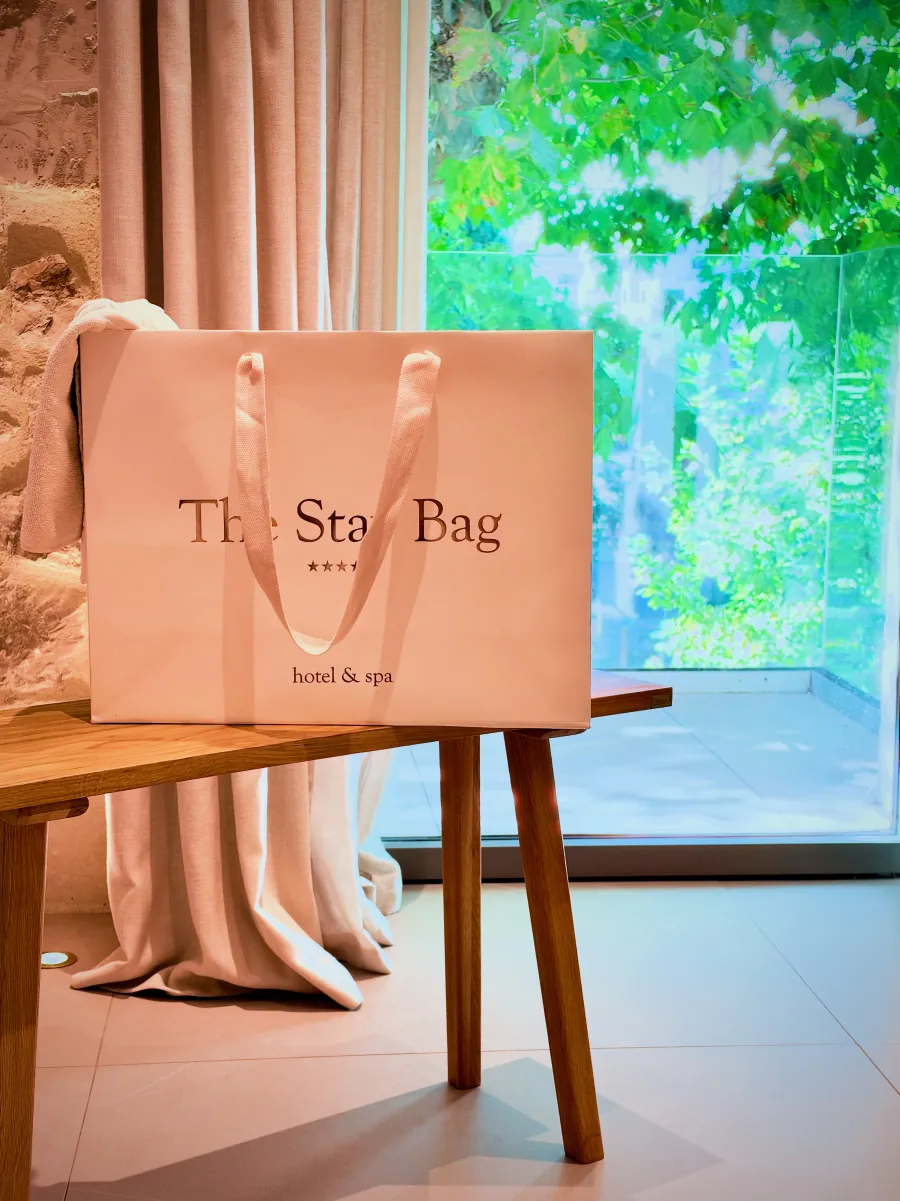
A welcome bag that gets thrown away is an expense. A welcome bag that gets taken home is a message.
Fill yours: four questions
- What will the guest do within the hour? Drink, check the guide, taste the local product. If an item is of no use within the hour, it has no place.
- What do you want them to take away? The bag, the note, a souvenir of the place. The rest stays in the room.
- Does the bag pass your tests? Wet it, load it, put it on a damp bench. Look at it the next day.
- Will they want to keep it? It is the only question that matters, and you can check it by watching who leaves with the bag.
The simplest way is to test a prototype with your teams, in your own bathrooms: see it, wet it, carry it. That is what we offer with The Stay Bag, so you can then build your version.
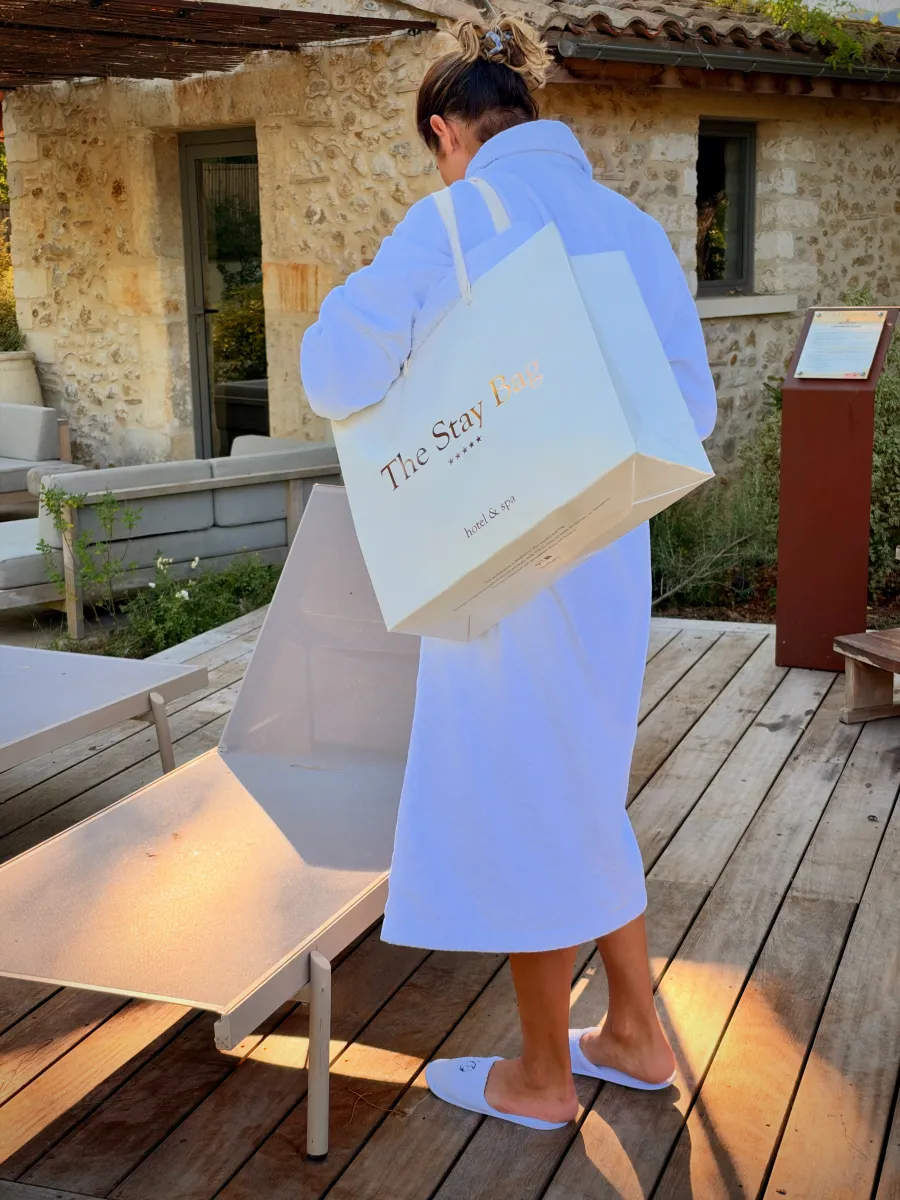 The product in this article The Stay Bag The welcome and stay bag that waits for your guests in their room, then goes with them to the spa. Discover The Stay Bag →
 Frequently asked questions
The questions we get asked.
What should go in a hotel welcome bag?
Four things are enough: water, a guide to the place, a local product and a written note for the guest. Anything else is a bonus. Each product keeps its own packaging.
Should the welcome bag differ from guest to guest?
The bag can stay the same. What changes is the touch inside: a first name, an occasion, an address chosen for them. The bag carries the brand, the contents carry the care.
Can the bag be customised in the hotel’s colours?
Yes: colours, patterns, printing, then hot foil, embossing and spot varnish, finishes added as an option. The handles can also take your colours, and the size is defined with you.
Blog
Read next
Hotel bag: which bag to give guests, from arrival to the spa
Welcome bag, spa bag, pool bag, boutique bag: what each hotel bag must withstand, and why one well-chosen bag can replace a whole stack of them. Read the article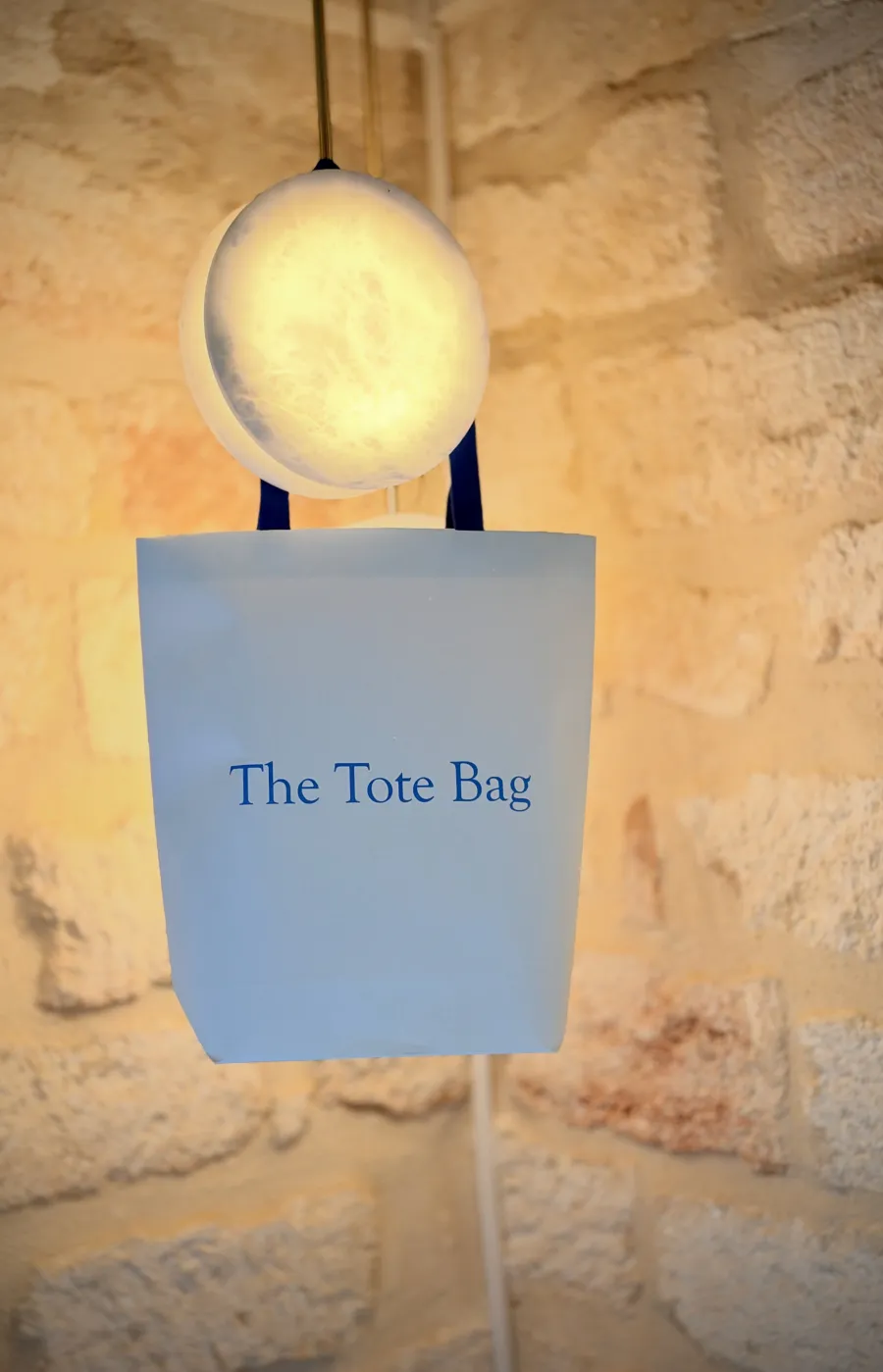
Reusable packaging: why customers keep it, or throw it away
Packaging is only reused if it stays beautiful and strong after first use. Bag, box, pouch: what makes customers keep packaging, and what makes them bin it. Read the articleNext step
A question about your print support? Let's put it on the table.
A bag, a label, a menu: we look at your item, compare it with the prototype, and you judge for yourself.